Why a Peaceful Resting Place Matters for Remembrance
Having a dedicated place to remember someone can provide families with an enduring connection to the life and memories they continue to cherish. For families considering cemeteries Quincy, MA, the surroundings, burial choices, memorial options, and opportunities for future visits can all be important when selecting a final resting place. A thoughtfully chosen setting can become somewhere family members return to for reflection, remembrance, and connection across generations.
At Forest Hills Cemetery, we understand that choosing a final resting place involves more than selecting a burial space. Families may also consider how the setting reflects their preferences, how loved ones will visit in the future, and how a memorial can preserve a person’s story. A peaceful landscape can support these experiences while providing a permanent place dedicated to remembrance.
A Dedicated Place Helps Preserve Meaningful Memories
Memories are carried with us wherever we go, but a permanent place of remembrance can provide a meaningful physical connection to someone who has died. Families can return over the years to reflect, share stories, observe important dates, or simply spend quiet time remembering.
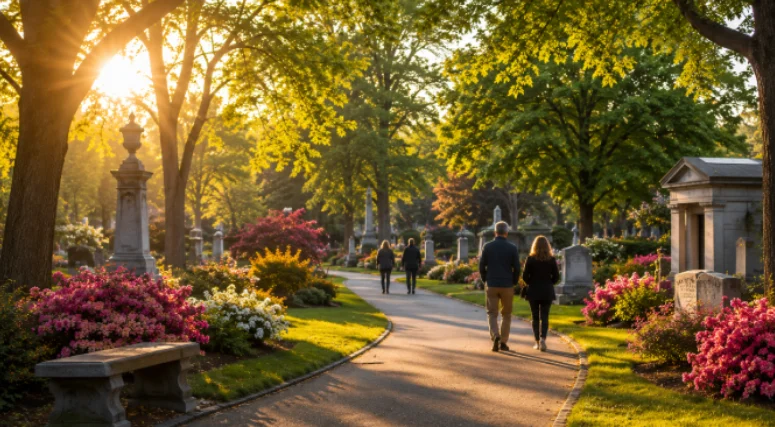
These visits do not have to follow a particular tradition. Some families may bring flowers or pray together. Others may share stories, reflect quietly, or introduce younger generations to relatives they never had an opportunity to know.
Why Does a Permanent Place of Remembrance Matter?
A permanent resting place can give families a consistent location where memories and family history remain connected.
Over time, a burial site and memorial may become part of a family’s traditions. Children and grandchildren can visit, read inscriptions, hear stories, and better understand the people who came before them.
In this way, memorialization can serve both the people grieving today and the generations who may visit in the future.
Natural Surroundings Can Encourage Quiet Reflection
The original article focused heavily on sunrise and sunset. While those moments can be beautiful, the broader value comes from having peaceful surroundings where visitors can slow down and spend time remembering.
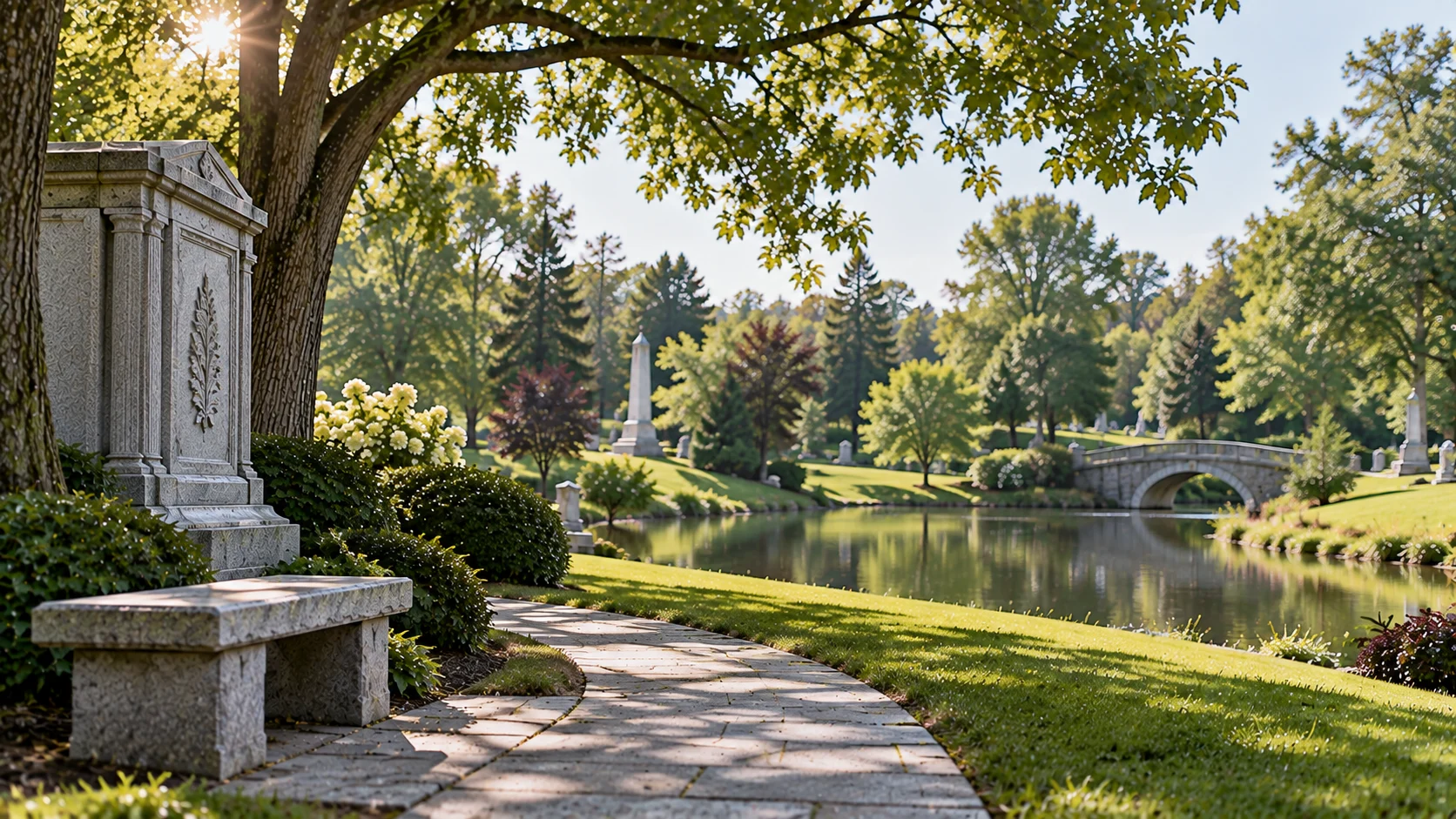
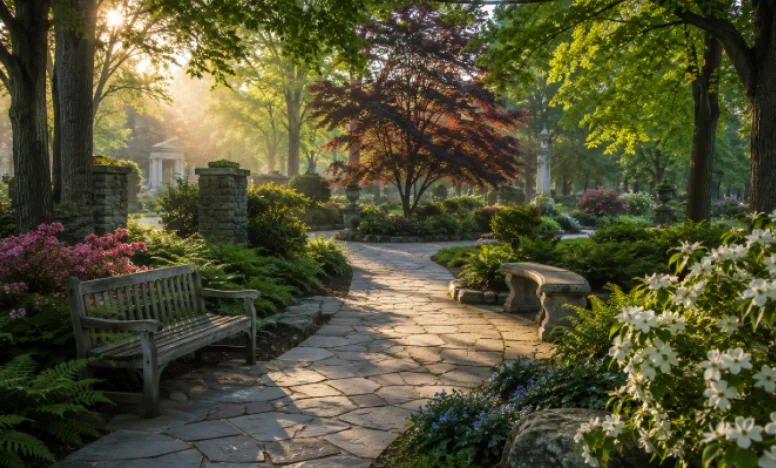
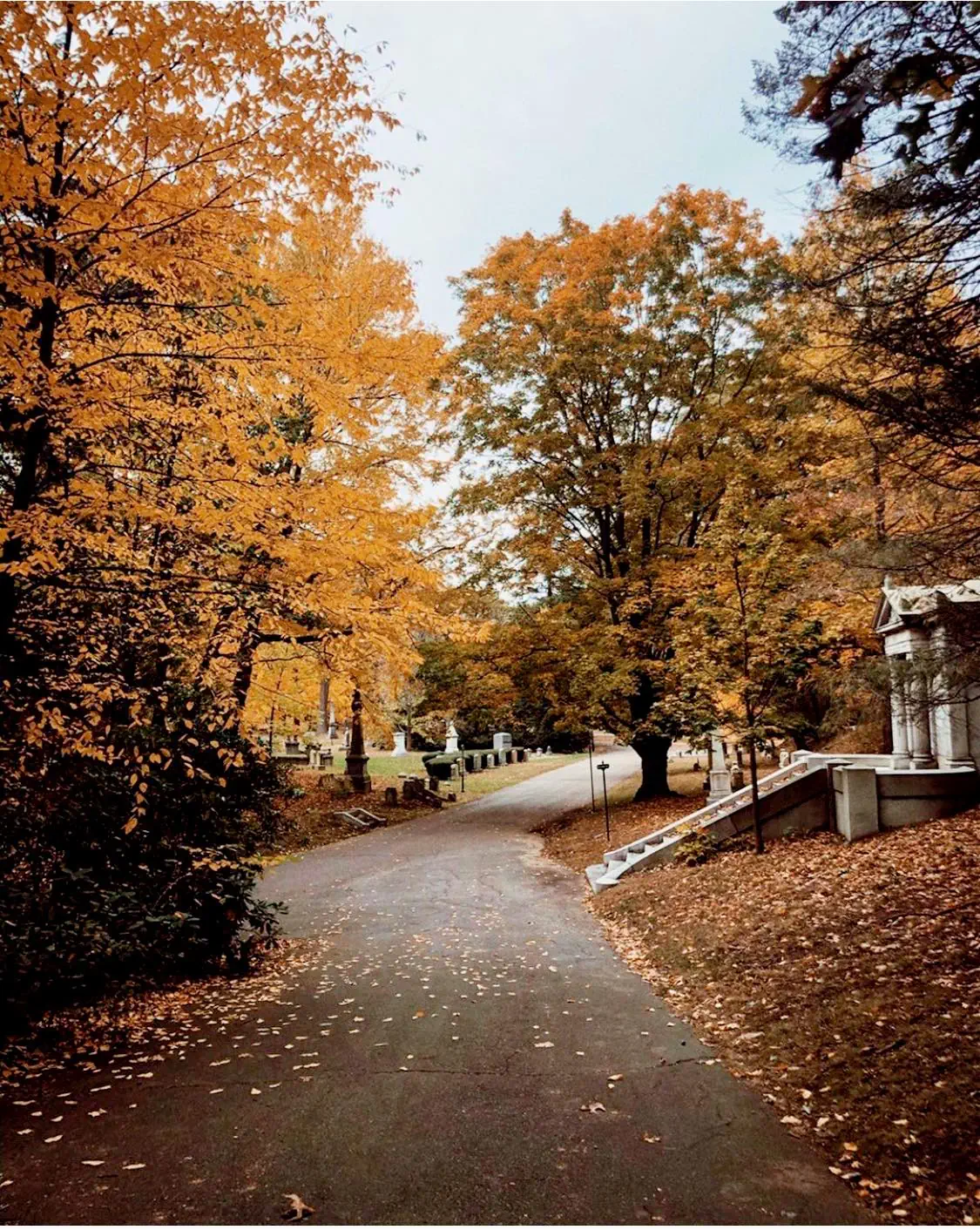
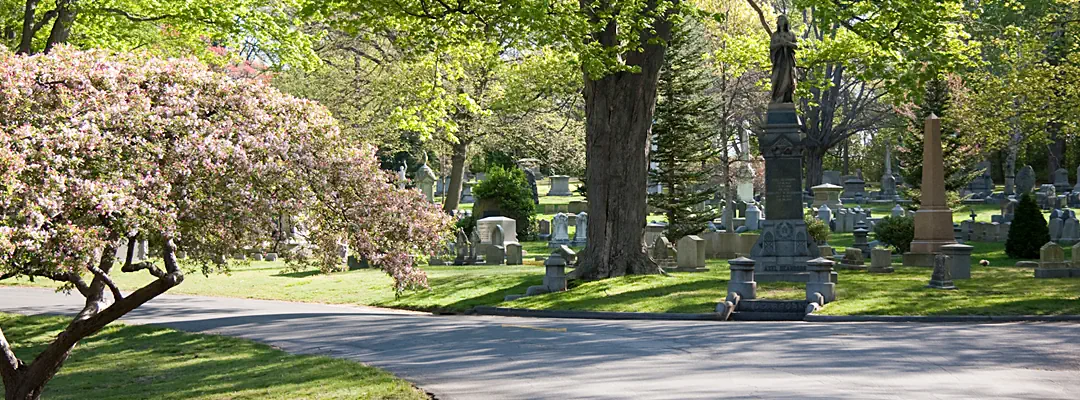
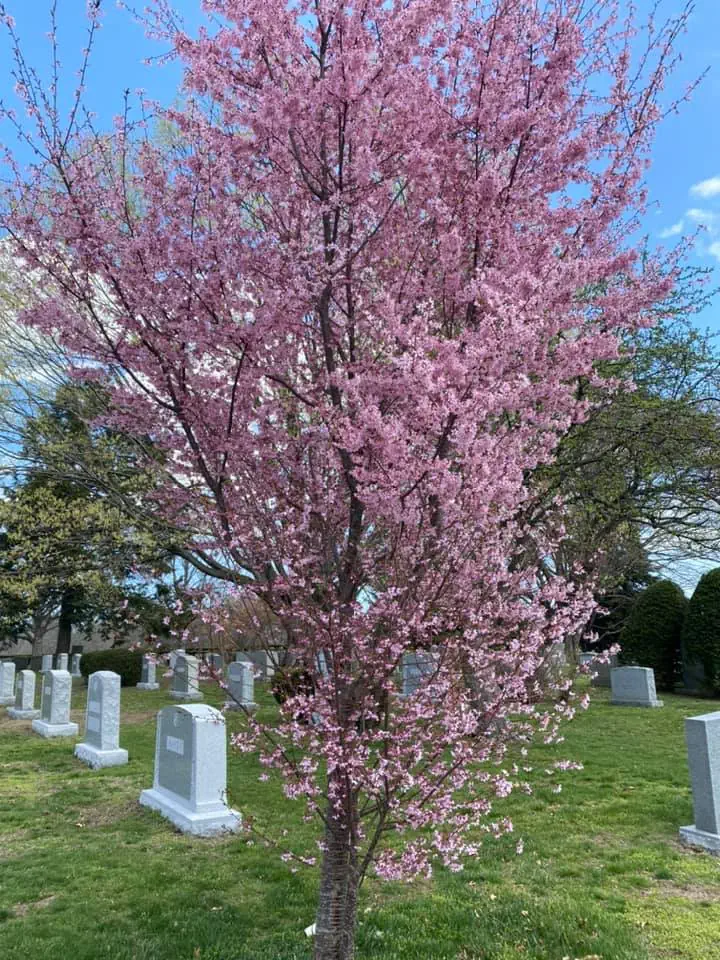
Trees, pathways, changing seasons, historic landscapes, and open spaces can contribute to an atmosphere suited to reflection. Rather than depending on a particular time of day, families can appreciate these surroundings whenever they visit.
How Can Nature Support a Meaningful Visit?
Natural surroundings can create a quieter setting away from everyday routines and distractions. For some visitors, walking through landscaped grounds or sitting peacefully near a loved one’s memorial provides time to reflect on memories and relationships.
However, everyone experiences remembrance differently. A peaceful landscape does not need to produce a particular emotional response. Instead, it can simply provide space for each visitor to remember in a way that feels personal.
Memorialization Helps Keep Personal Stories Present
A burial place provides a physical location, while memorialization can help tell the story of the person remembered there.
Names, dates, inscriptions, monuments, and other permitted memorial details can preserve meaningful information for future generations. Families may choose elements that reflect relationships, beliefs, personal values, or family history.
When considering burial and memorial options, families can think about what they want a memorial to communicate and how loved ones may interact with that space in the future.
What Should Families Consider When Choosing a Memorial?
Every family has different priorities. Therefore, choosing a memorial should begin with what feels meaningful and appropriate for the individual.
Families may want to consider:
- Personal and family preferences
- Religious or cultural traditions
- Meaningful inscriptions
- Family names and important dates
- The surrounding burial space
- Opportunities for future family visits
- Applicable memorial guidelines
Discussing these preferences before making a decision can help families understand available choices and create a tribute with lasting significance.
Planning Ahead Can Make Personal Wishes Clear
Choosing a resting place and considering memorial preferences can also be part of planning ahead. Rather than leaving every decision to family members later, individuals can communicate what matters to them while they have time to consider their options.
Through pre-need cemetery planning, individuals can consider burial preferences, memorialization, family needs, and other arrangements in advance.
Planning can also create an opportunity for meaningful family conversations. Loved ones can better understand someone’s preferences and the reasons behind them, providing greater clarity when those arrangements eventually become necessary.
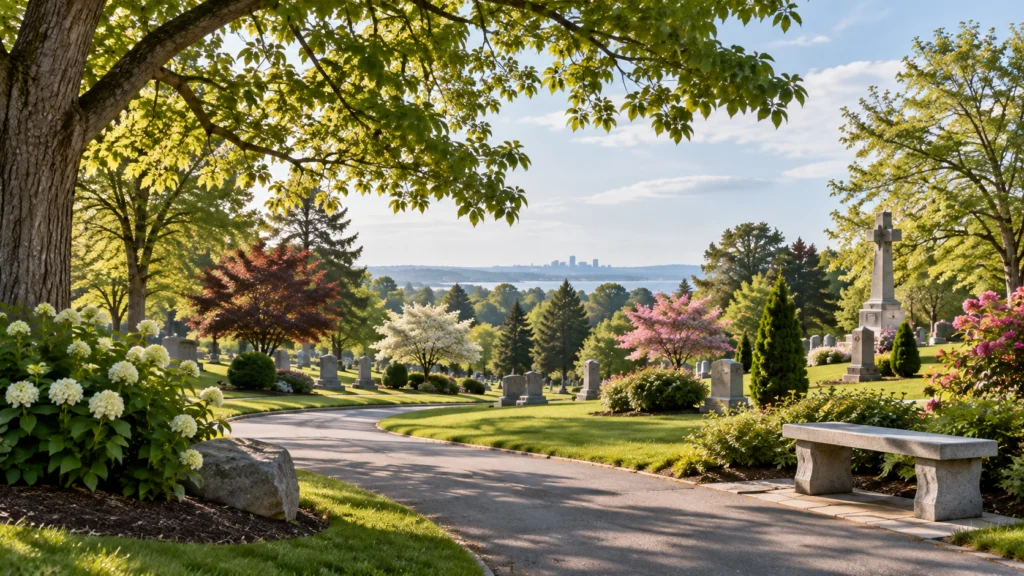
Alt text: A peaceful daytime cemetery Quincy, MA and quiet reflection.
Creating a Lasting Place for Reflection and Connection
A meaningful resting place is about more than a beautiful view at sunrise or sunset. Its lasting importance comes from providing families with somewhere to remember, reflect, preserve personal stories, and maintain connections across generations. Peaceful surroundings, thoughtful memorialization, and planning ahead can work together to create a place that continues to hold meaning over time.
If you are considering cemeteries Quincy, MA and would like guidance about burial spaces, memorial options, or planning ahead, contact the team at Forest Hills Cemetery or call (617) 524 0128 today. We can answer your questions and help you consider arrangements that reflect your wishes and provide a meaningful place of remembrance for your family.