
Designed with Purpose and Beauty
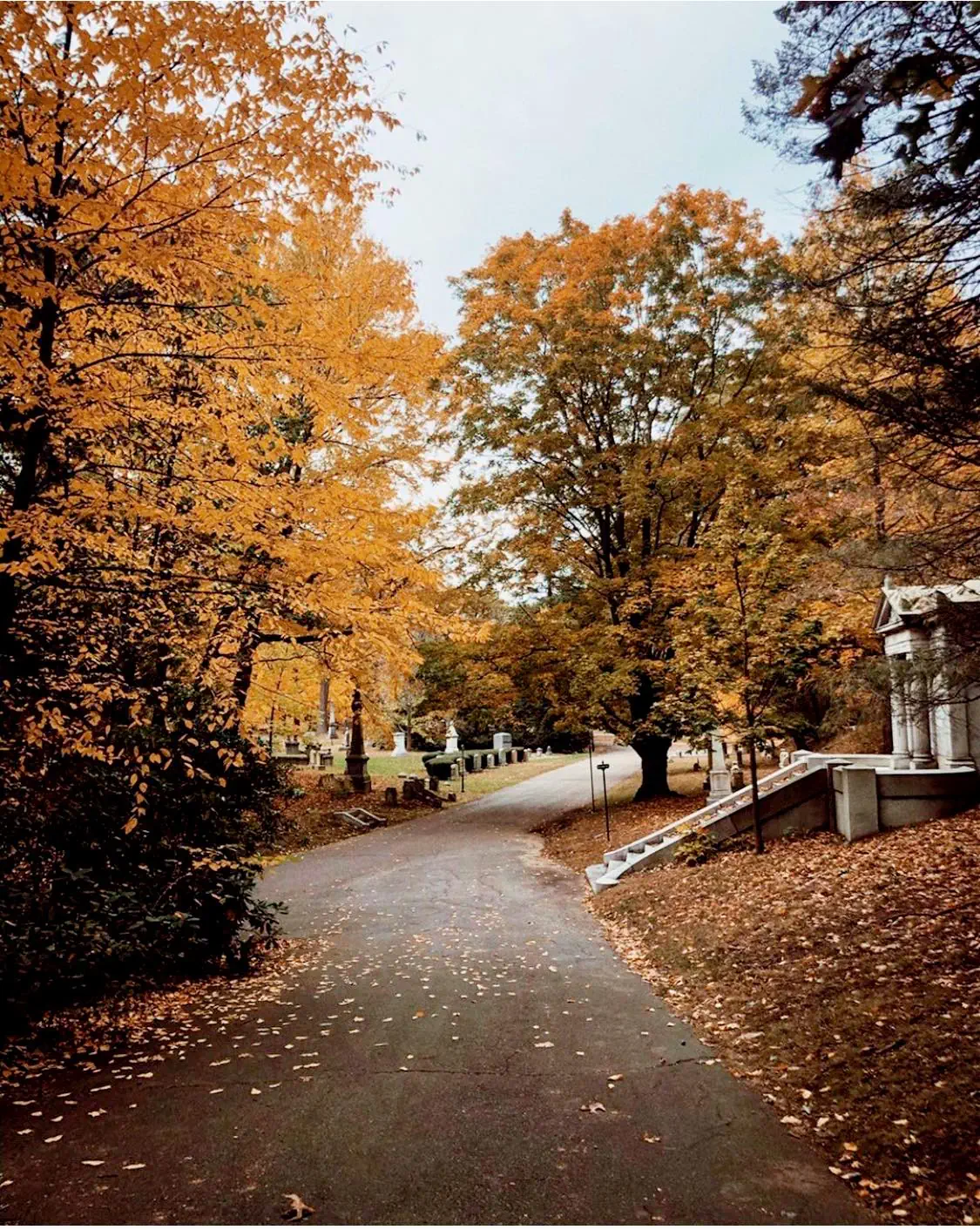
Forest Hills Cemetery predates the famous Emerald Necklace, and for much of the 19th century served as a beloved public park for Boston residents. For the Victorians, it was a fashionable destination for weekend walks and picnics — a green sanctuary where city dwellers could step away from urban life and reconnect with the natural world.
This was no accident of design. Henry A. S. Dearborn and the civic leaders who shaped the rural garden cemetery movement believed that a beautiful, harmonious landscape — cultivated through skilled design and horticulture — could offer genuine consolation to those grieving a loss. The park-like character of Forest Hills was considered essential to its purpose as a place of burial and remembrance.
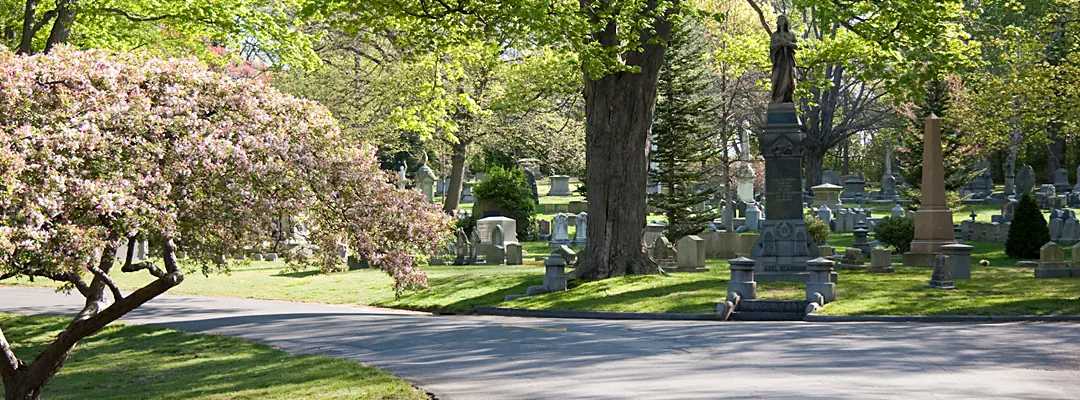
Dearborn’s vision drew inspiration from the great country estates of England and his own deep passion for horticulture. That passion had already led him to become the first president of the Massachusetts Horticultural Society and to help found and design Mount Auburn Cemetery in Cambridge. At Forest Hills, he worked alongside Daniel Brims, the cemetery’s first superintendent, to transform farmland and rocky hills into a rugged yet elegant landscape. Together they planted thousands of tree species from around the world, alongside native varieties — many grown on Dearborn’s own estate.
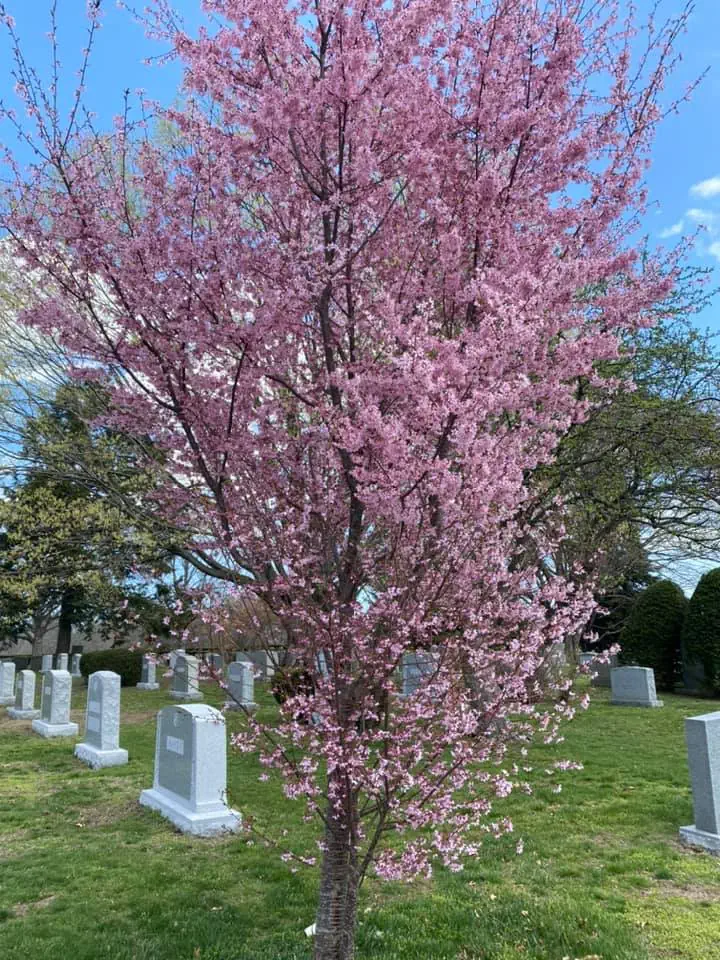
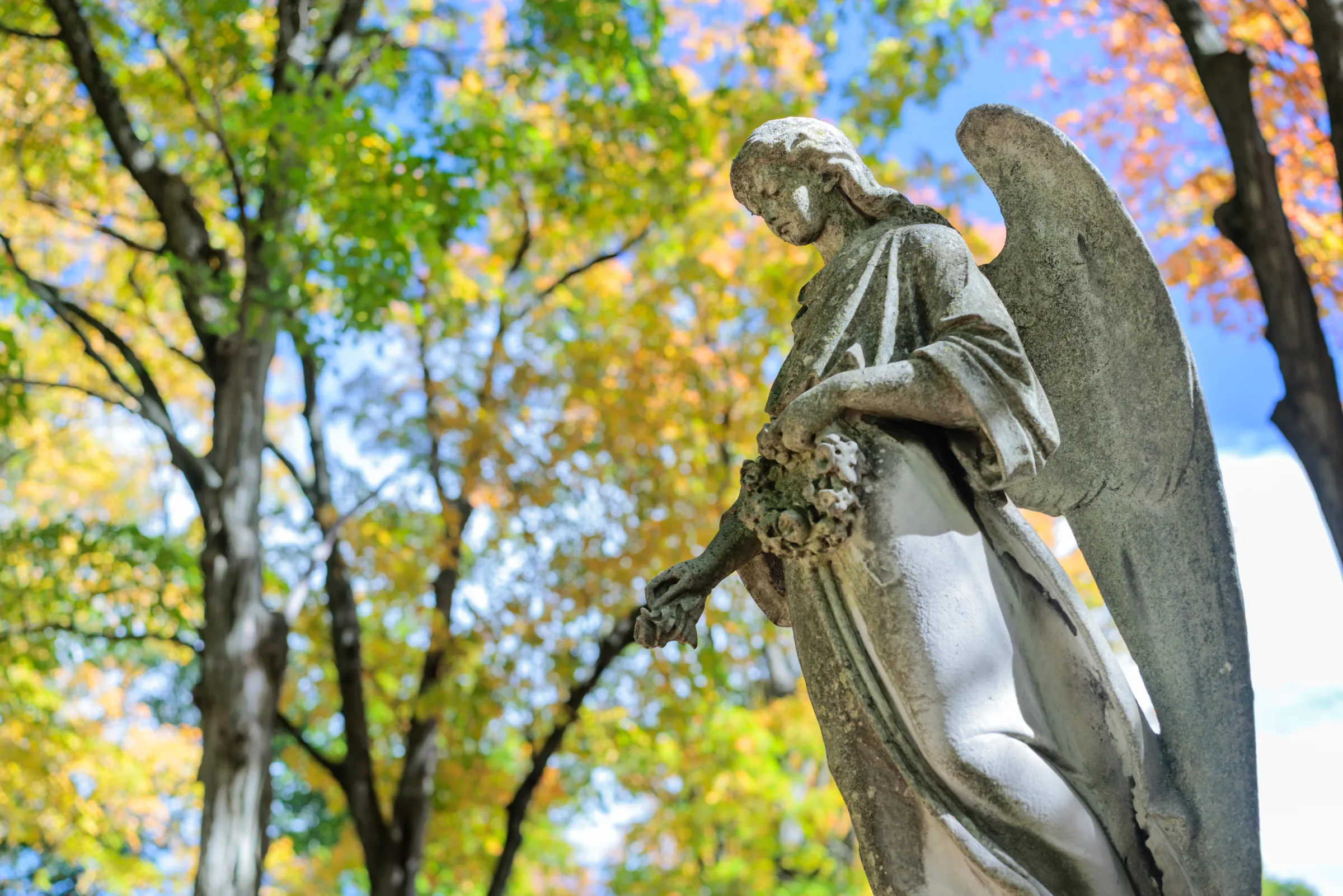
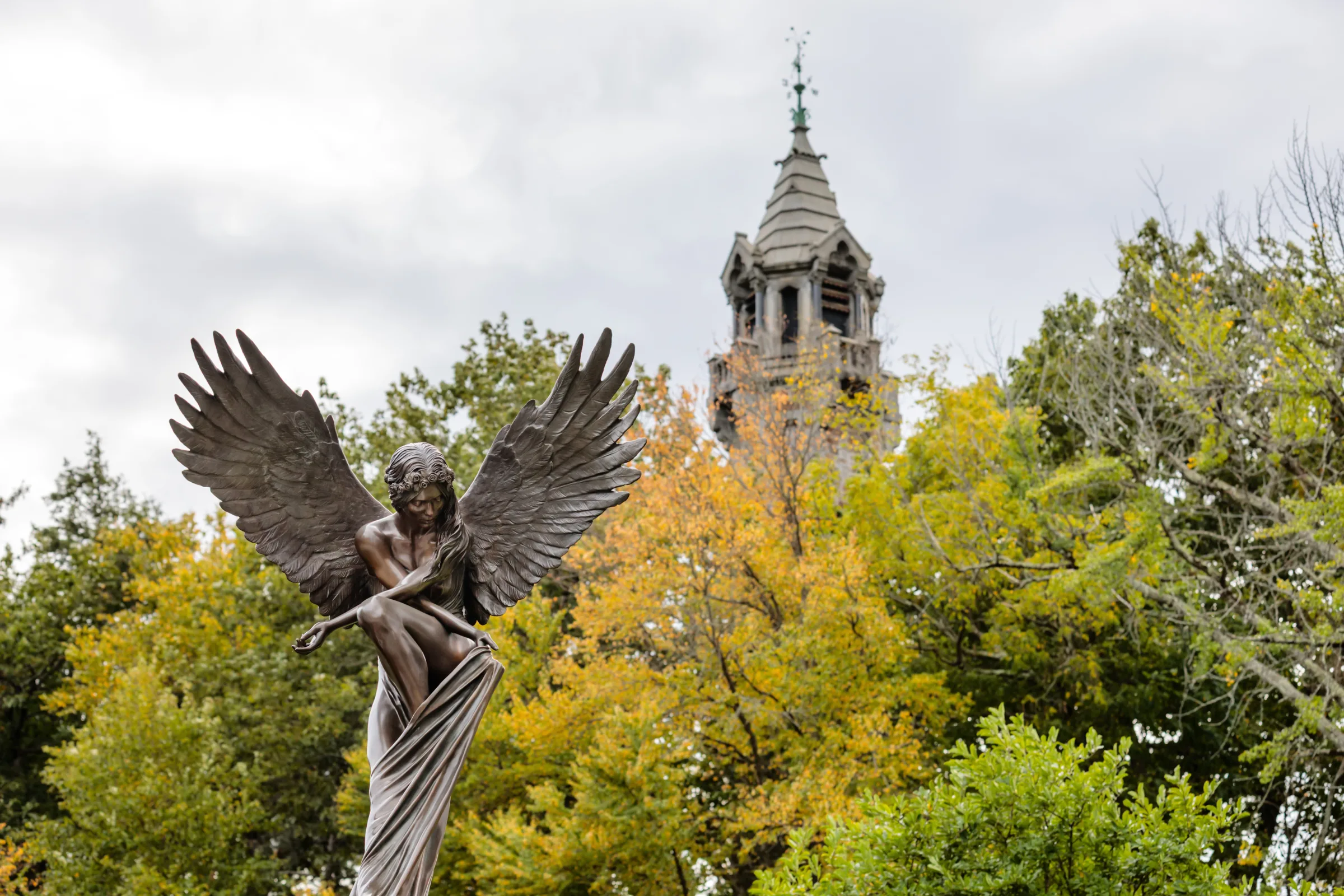
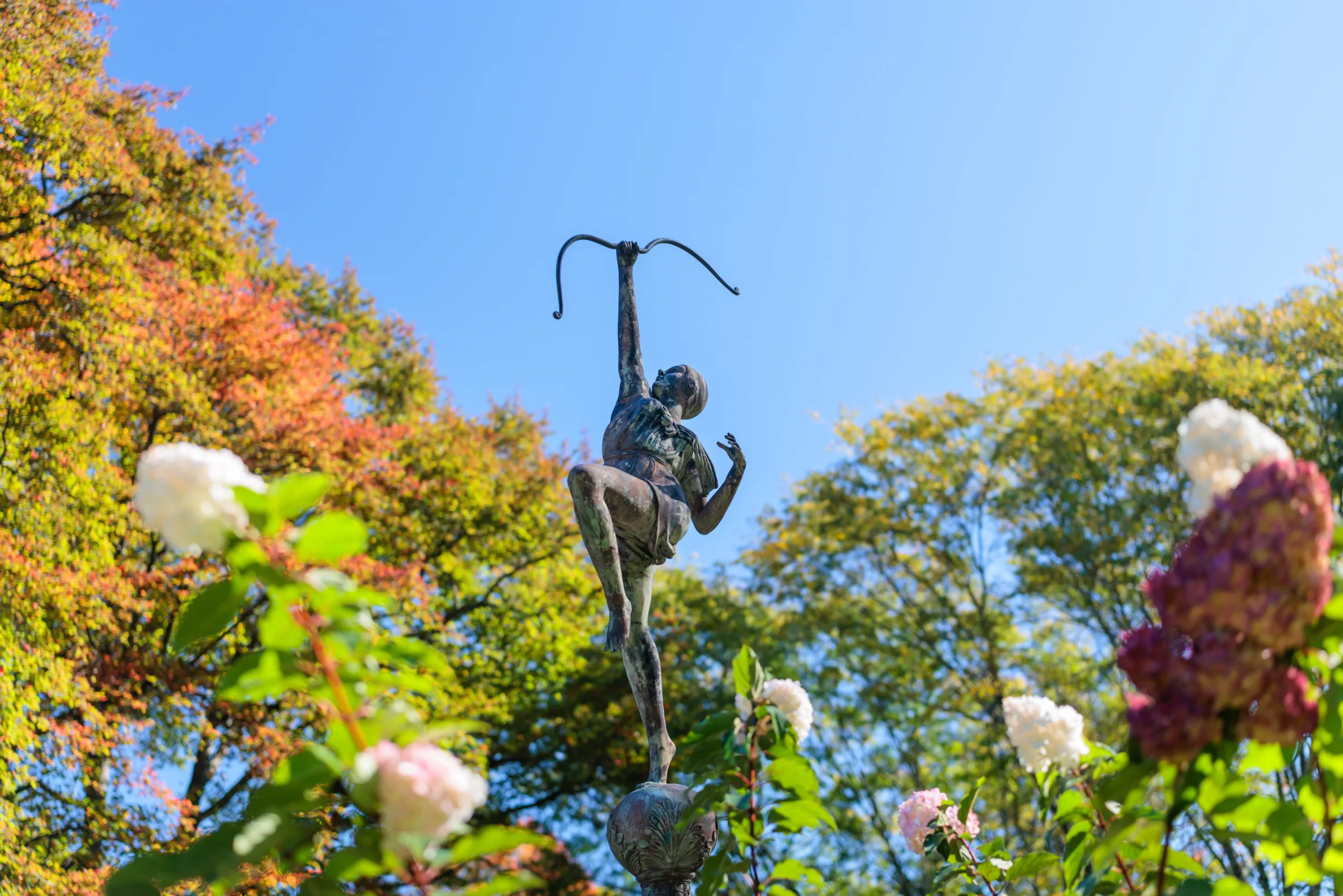
That legacy lives on in the remarkable collection of specimen trees found throughout the grounds today.
Dearborn’s vision drew inspiration from the great country estates of England and his own deep passion for horticulture. That passion had already led him to become the first president of the Massachusetts Horticultural Society and to help found and design Mount Auburn Cemetery in Cambridge. At Forest Hills, he worked alongside Daniel Brims, the cemetery’s first superintendent, to transform farmland and rocky hills into a rugged yet elegant landscape. Together they planted thousands of tree species from around the world, alongside native varieties — many grown on Dearborn’s own estate.
That legacy lives on in the remarkable collection of specimen trees found throughout the grounds today.
Trees at Forest Hills Cemetery
Birding at Forest Hills
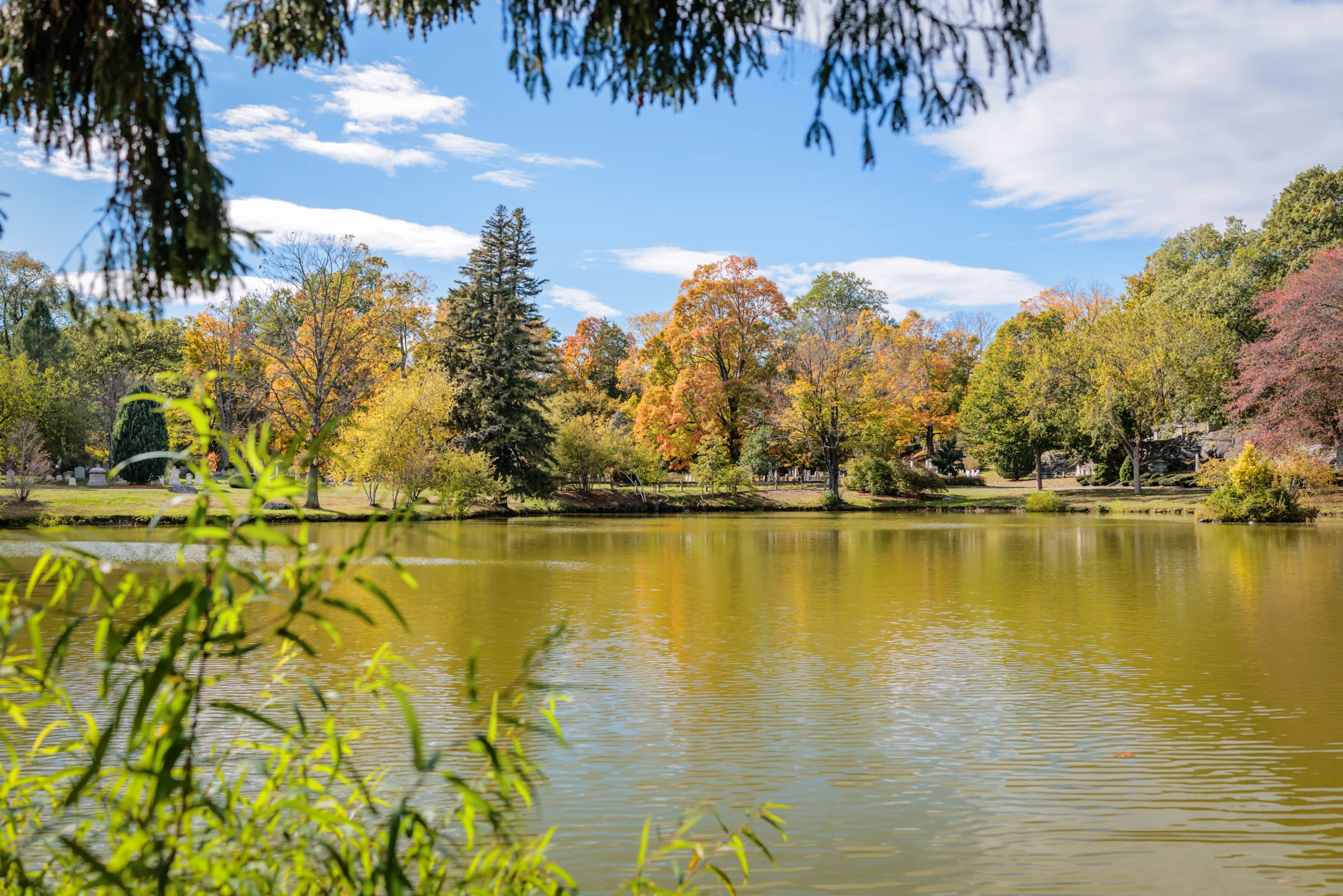
With its century-old trees and ornamental Lake Hibiscus, Forest Hills offers 275 acres of habitat and sanctuary for birds and urban wildlife. Year-round residents include owls, red-tailed hawks, and herons. Each May, migratory birds pass through Boston, touching down in the green corridors that thread through the city — and Forest Hills is one of their favorite stops. Spring is a wonderful time to visit with binoculars in hand.
Words from Our Families and Friends