Historical Burial Locations

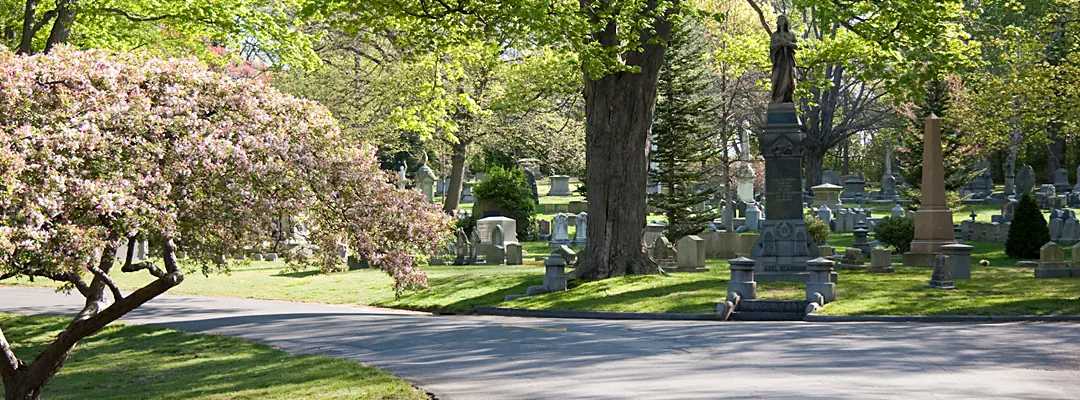
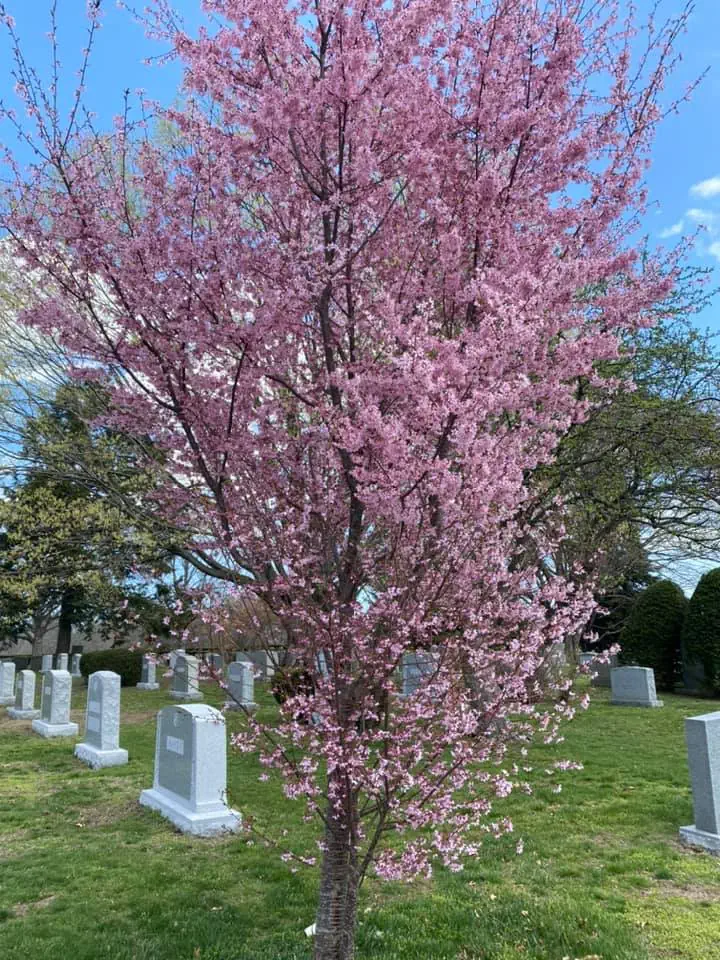
Over the last few years, Forest Hills Cemetery has initiated a project to identify gravesites in the historical areas of the Cemetery. We are fortunate that the original founders and designers of Forest Hills Cemetery provided for generous margins of land between family lots — today these are areas that we can offer for burial. Within these areas originally developed during the 19th and early 20th centuries, we have identified available spaces in areas as diverse as near Lake Hibiscus or on Milton Hill.

By expressing your preferences to us — such as a preference for a forested area or an elevated terrace with a vista, or near the grave of a celebrated “resident,” we can often identify space that could accommodate cremation or full-casket burial, in accordance with your needs and wishes.
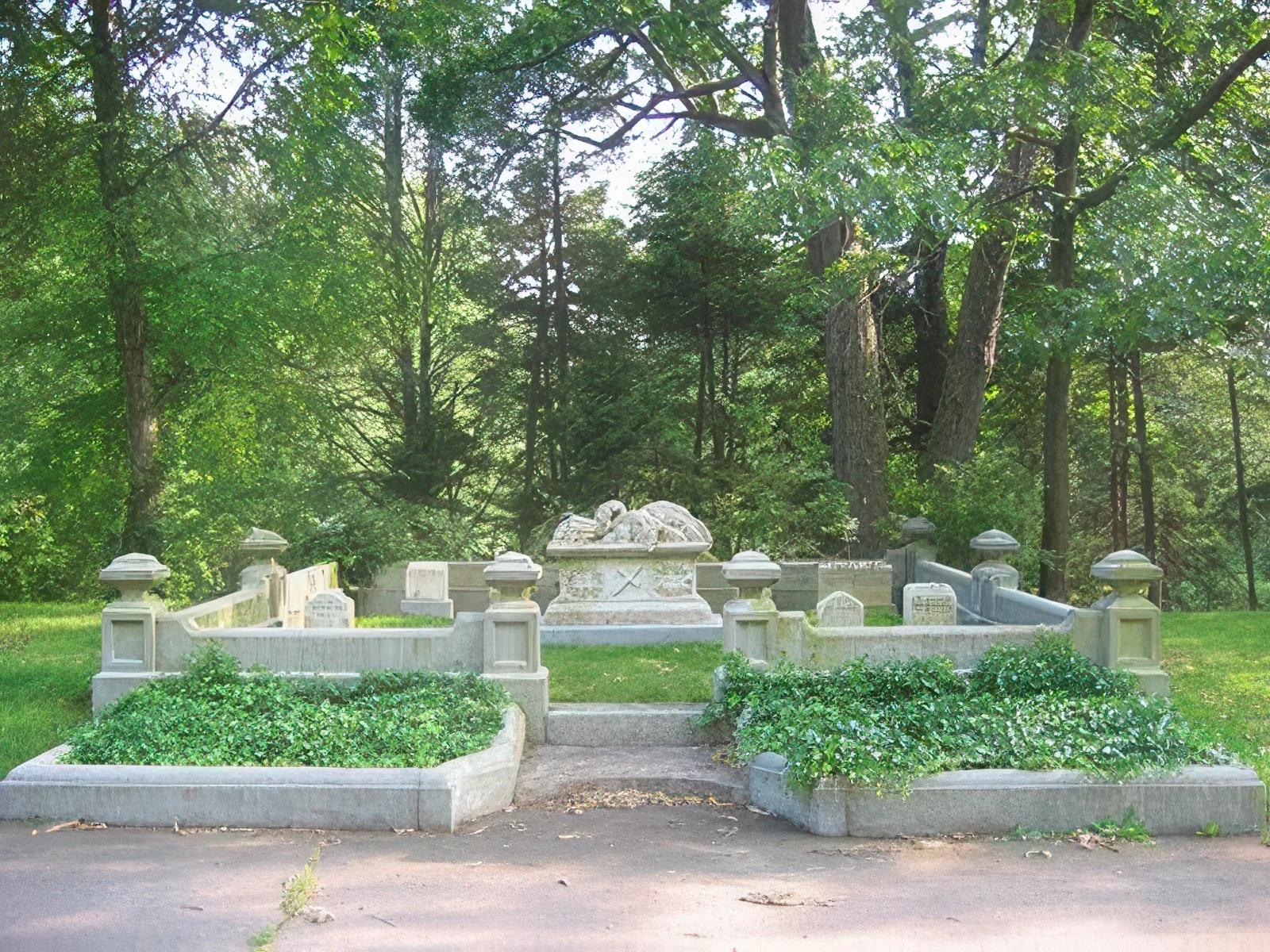
Besides acquiring a gravesite in one of the landscaped areas for which Forest Hills is justifiably renowned, possibilities for memorialization at many of these sites are much more flexible than what is currently permitted in the Cemetery’s newer sections. Although we require granite as the material (instead of the traditional 19th century preferred material of marble), grave owners may opt for shapes, forms, sizes, and heights similar to the Victorian marble monuments that dot the historic areas. However, at some gravesites in historic areas we permit only a flat marker, in order to maintain the existing visual characteristics of the surrounding landscape.

We invite you to contact us for more information about these unique and special options.
Some current historic grave and cremation lot possibilities in our catalog include:
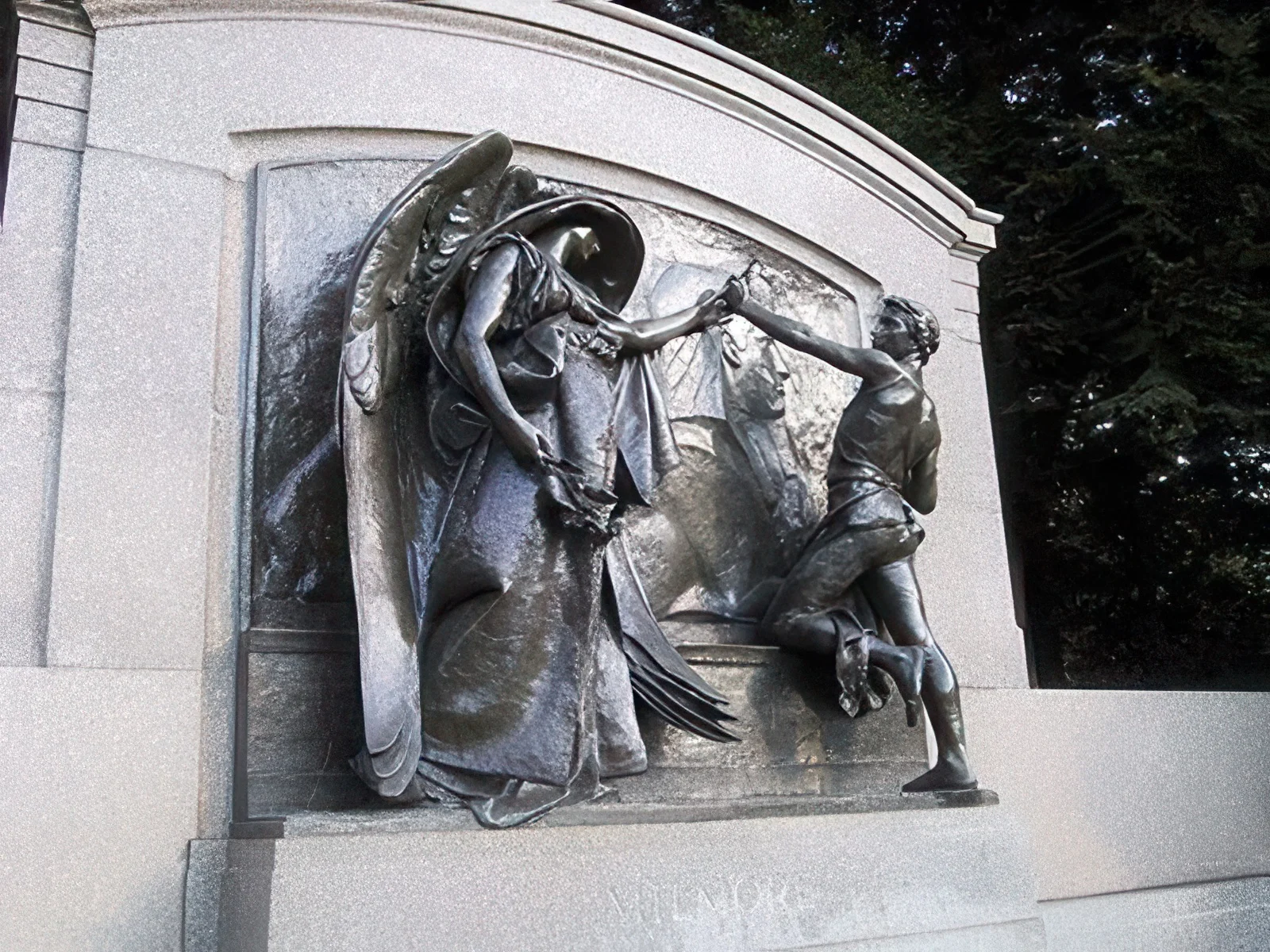
  • Tritoma Path
    A beautiful, elevated, very quiet area near the footbridge, and near one of our magnificent Daniel Chester French sculptures (The George White Memorial).

  • Snowdrop and Alpine Paths
    A terraced area of older marble monuments, with a spectacular outlook (Alpine) or near total seclusion (Snowdrop).
  • Mayflower Path
    A somewhat private path backed by a forested area.
  • Catalpa Avenue
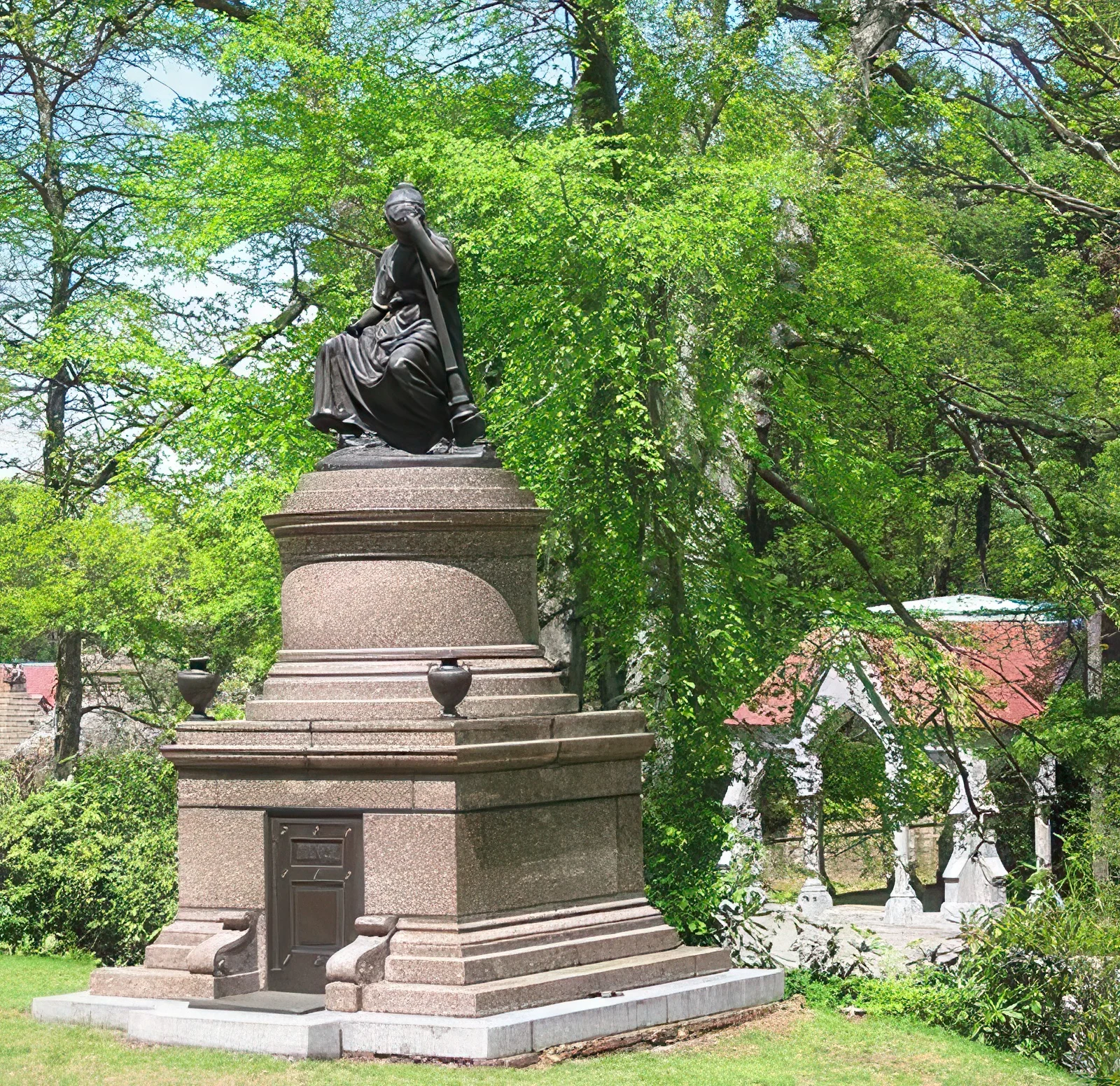
    A series of plots in varying configurations, depending on specific site. The eminent German-American Boston restaurateur Jacob Wirth is buried on Catalpa Avenue. A beautiful bronze allegorical figure marks his family’s gravesite. Bicycle manufacturer Alexander Pope is also buried on Catalpa.
  • Fountain Avenue
    Fountain is a prominent avenue with a combination of late nineteenth century marble memorials and early twentieth century granite monuments.

View Our Historic Burials

Interested in learning more about the history of Forest Hills Cemetery and the people who’ve contributed to our story? Be sure to check out our Self-Guided Scholar’s Tour, featuring multiple stops within the cemetery that tell their own stories.

Words from Our Families and Friends
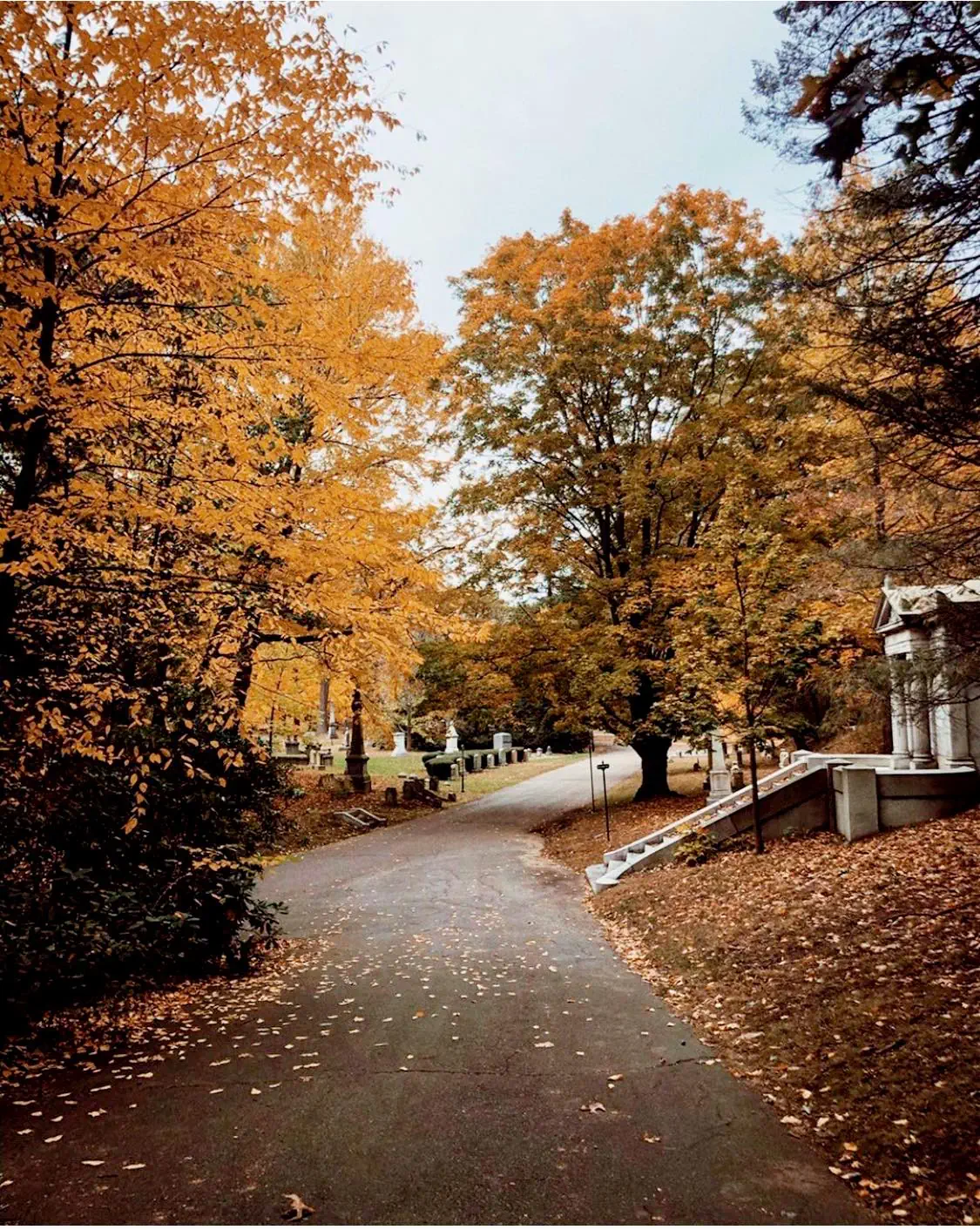
One of the biggest and most beautiful cemeteries in New England. Unique, well maintained, and plenty to see. Peaceful. I had a long ride to get here, so I was so happy they had a bathroom and it was clean lol.

Nicole N.

Was planning on going to a different cemetery while visiting Boston, but it was closed earlier than expected and I’m so glad. Forest hills was so beautiful. We followed the green line on the ground which led us to a really nice security guard who told us we could pull over anywhere so long as our car wasn’t on the grass

Ashley E.

I recently read about the lives of poets Sylvia Plath & Anne Sexton. Since I’m in the 02321 for a house-sitting gig, I decided to pilgrimage to Sexton’s gravesite in Forest Hills cemetery–an absolute hidden gem (the cemetery, not the gravesite)

Susan R.

On a sunny winter day, when I seek solitude and deep reflection, I venture to the Forest Hills Cemetery. The snow-covered grounds, illuminated by the bright winter sun, sparkle with an ethereal light, giving the cemetery an almost serene, otherworldly beauty

Anthony P.