Exploring the Roots of Your Community Through Cemeteries
Exploring cemeteries in Jamaica Plain, MA offers a meaningful opportunity to understand the people, traditions, and shared experiences that shaped a community. Beyond their role as places of remembrance, cemeteries preserve stories that connect past generations with the present. Through historic monuments, thoughtful landscapes, and personal memorials, visitors can discover how individual lives contribute to a larger community identity. At Forest Hills Cemetery, we recognize the importance of preserving these connections while providing a peaceful setting for reflection.
Why Are Cemeteries Important to Community History?
Cemeteries preserve community history by recording personal identities, family relationships, cultural traditions, and changing approaches to remembrance. They provide tangible connections to earlier generations, helping visitors understand how communities developed over time.
Unlike history books that focus primarily on major events, burial grounds reveal the experiences of individuals whose everyday contributions helped shape neighborhoods and local institutions.
Personal Stories Behind Community Development
Every memorial represents a person whose life was connected to a particular time and place. Some individuals may have participated in major historical developments, while others contributed through work, family relationships, education, or community involvement.
A cemetery visit can encourage questions about those connections:
- What occupations and responsibilities supported earlier generations?
- How did families maintain their traditions while communities changed?
- Which historical events influenced the lives of local residents?
- What relationships connected people across different generations?
Not every question can be answered by a memorial alone. However, names, dates, inscriptions, and family groupings can provide starting points for deeper research.
How Memorials Reflect Cultural Traditions
Memorial designs reveal how people expressed identity, faith, affection, and remembrance during different historical periods.
Some monuments feature detailed carvings and symbolic imagery, while others emphasize simplicity. Religious symbols, floral patterns, and personalized inscriptions can offer clues about the values held by individuals and their families.
These details deserve thoughtful interpretation. A symbol may have several meanings, and its significance should not be assumed without additional historical context.
Recognizing these differences helps visitors appreciate the diversity of traditions that contribute to a community’s heritage.
Discovering Family Connections Across Generations
Understanding local history becomes especially meaningful when visitors discover connections to their own families. Cemetery records and memorial inscriptions can provide valuable clues for genealogical research, particularly when combined with other historical sources.
For those beginning this journey, our article on how cemeteries preserve family legacies explores the enduring relationship between remembrance and generational identity.
What Can Gravestone Inscriptions Reveal?
Gravestone inscriptions may reveal names, important dates, family relationships, and personal messages. These details can help researchers establish timelines or identify relatives whose stories deserve further investigation.
A memorial might include a shared family surname, an inscription describing a relationship, or a phrase reflecting a particular cultural tradition.
However, inscriptions should be treated as historical evidence rather than complete biographies. Weathering, transcription errors, and missing information can affect their accuracy.
A Practical Approach to Cemetery Research
Visitors can make their exploration more productive by preparing before arriving and documenting their findings respectfully.
- Identify a research goal. Choose a family name, historical period, or community topic to investigate.
- Gather existing information. Review family documents, photographs, and known dates before visiting.
- Consult available records. Ask about relevant cemetery records and any procedures for requesting information.
- Document inscriptions carefully. Record visible details without touching or altering memorial surfaces.
- Compare historical sources. Use archives, newspapers, and other records to verify connections.
This approach transforms a visit into a thoughtful investigation rather than a simple search for names.
How Cemetery Landscapes Preserve Local Identity
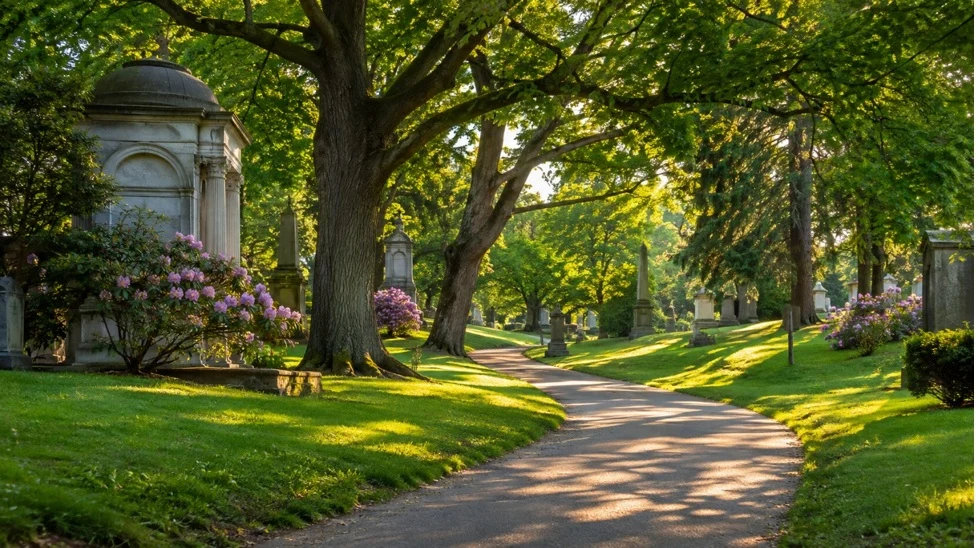
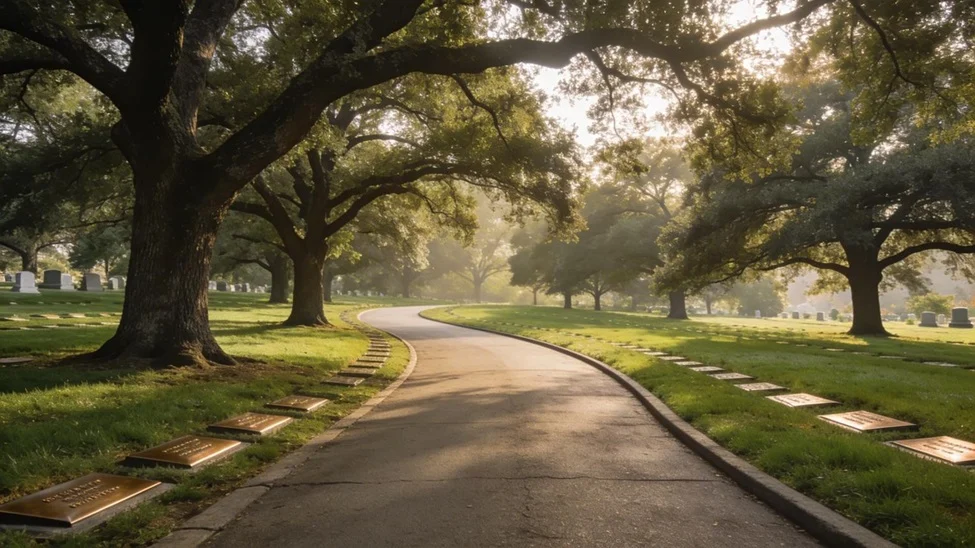
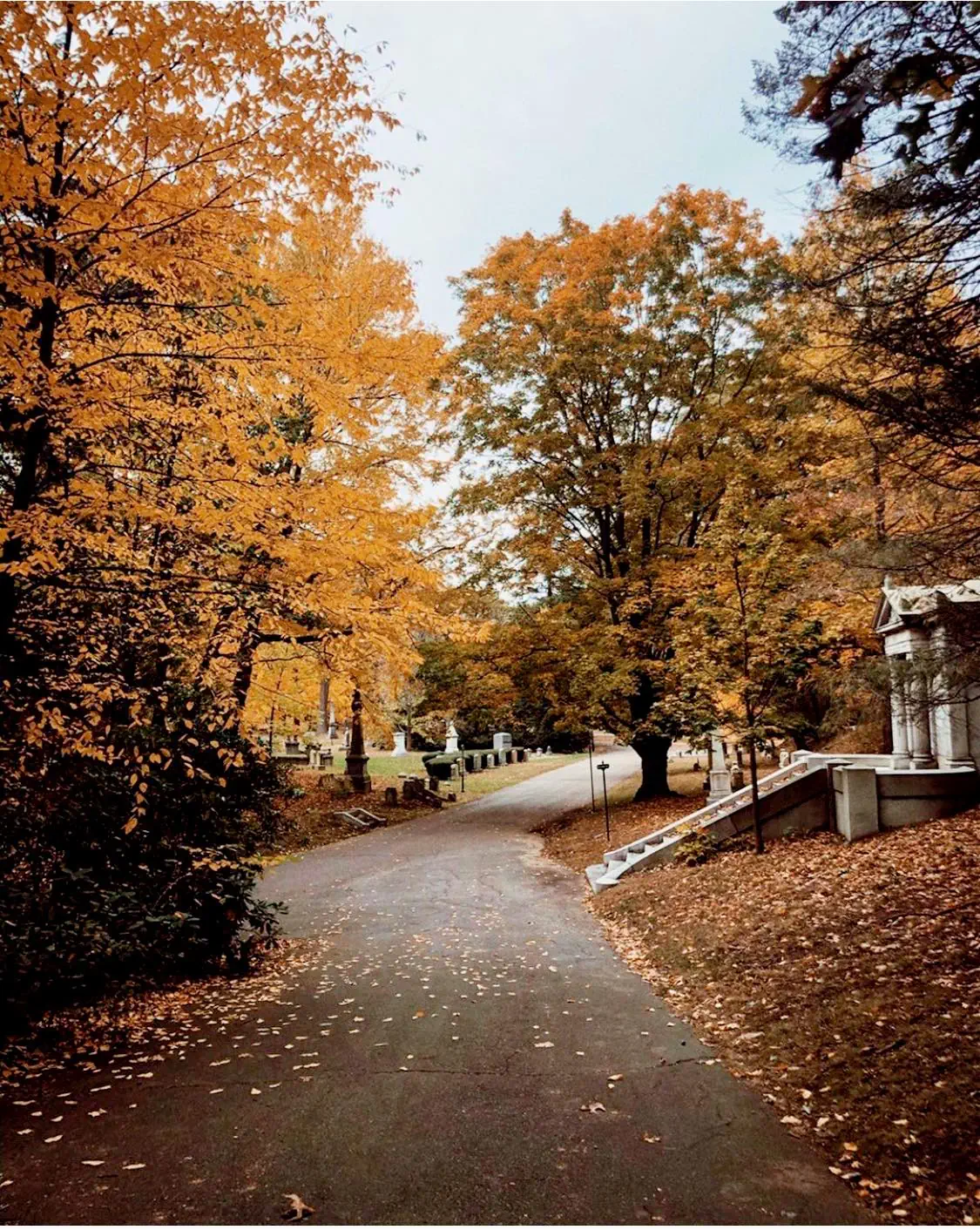
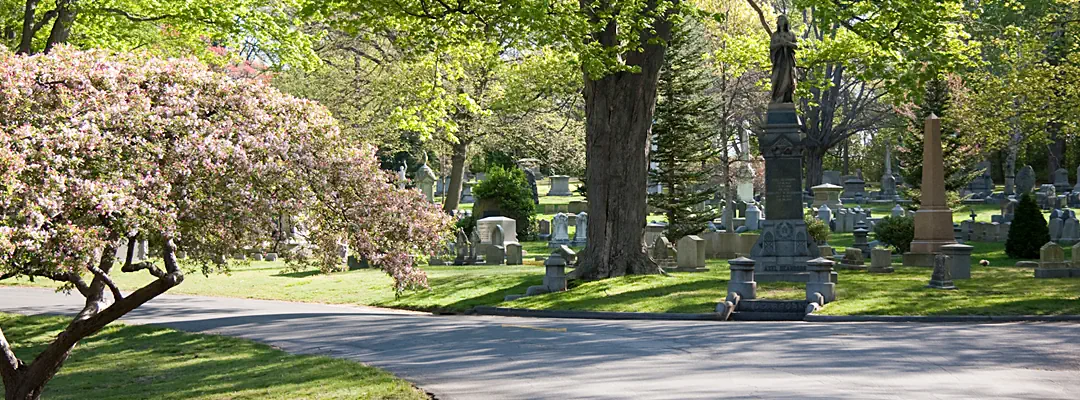
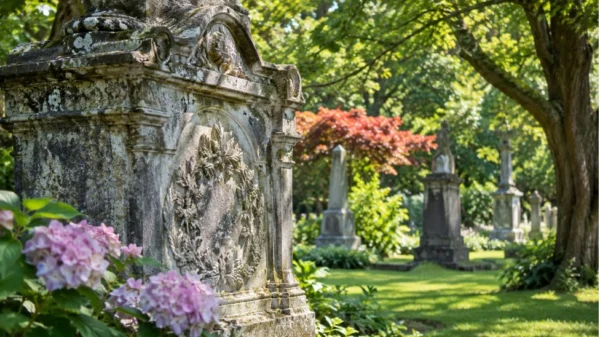
Historic cemetery landscapes contribute to community identity through their trees, pathways, gardens, monuments, and overall design. These features reflect how earlier generations understood the relationship between nature, public spaces, and remembrance.
At Forest Hills Cemetery, the landscape itself is an important part of the visitor experience. Its historic character provides opportunities to consider how the surrounding community has evolved while maintaining meaningful connections to the past.
Architecture, Nature, and Historical Design
A cemetery’s physical environment can reveal changing preferences in landscape architecture and memorial design.
Winding paths may encourage quiet exploration, while mature trees and planted areas create distinctive settings for reflection. Monument materials, shapes, and decorative details can also help visitors recognize differences between historical periods.
The landscape should be appreciated as a whole rather than viewed simply as a collection of individual memorials.
We encourage visitors to notice how natural and designed elements work together to create a setting that supports both historical appreciation and personal remembrance.
Preserving the Character of Historic Grounds
Cemetery preservation involves balancing respect for historical features with the continuing needs of families and visitors.
Understanding this balance can deepen appreciation for the care involved in maintaining meaningful memorial spaces.
| Historic feature | What visitors can discover |
|---|---|
| Mature trees | Changes in landscape character |
| Pathways | Historical approaches to garden design |
| Monuments | Artistic styles and remembrance traditions |
| Family memorial areas | Connections between generations |
| Inscriptions | Personal and cultural history |
Each feature contributes something different to the overall story. Together, they help visitors understand why cemetery landscapes remain important parts of community heritage.
Connecting Historical Discovery with Modern Remembrance
Learning about the past also provides an opportunity to consider how present-day choices will be understood by future generations.
Memorial decisions can preserve family relationships, personal values, and cultural traditions. These choices contribute to the continuing historical record of a community.
How Burial Traditions Connect Past and Present
Burial traditions reflect both enduring customs and changing family preferences. Some people value established family practices, while others seek arrangements that reflect individual beliefs and circumstances.
Understanding cemetery burial services and lasting memorial options can help families consider how their decisions may create a meaningful place of remembrance for future generations.
These discussions are not solely about practical arrangements. They can also involve family history, personal identity, and the meaning of maintaining connections across generations.
A thoughtful memorial may become an important reference point for descendants who want to understand their family story.
The Continuing Value of Shared Memorial Spaces
A cemetery provides a physical setting where memories can remain connected to a particular place.
For some visitors, that connection involves family heritage. Others may be interested in architecture, historical figures, or the development of local traditions.
These different motivations can coexist respectfully. A visitor researching history and a family remembering someone close to them may experience the same landscape in different ways.
Recognizing that distinction helps preserve the dignity of the setting while allowing historical discovery to remain meaningful.
Making the Most of a Historical Cemetery Visit
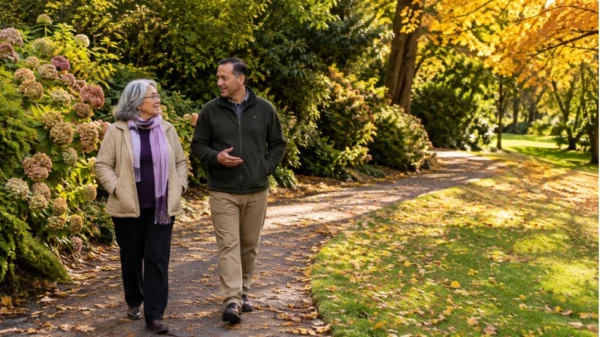
A meaningful visit does not require extensive historical knowledge. Curiosity, patience, and respect can make even a short walk an opportunity to understand the community more deeply.
The following considerations can help visitors approach the experience with purpose.
A Visitor’s Historical Exploration Checklist
- Before the visit: Choose a topic of interest, review available visitor information, and prepare a few research questions.
- During the visit: Observe monument designs, landscape features, and inscriptions while remaining on appropriate paths.
- After the visit: Organize notes, verify historical details, and share meaningful discoveries with interested relatives.
Visitors should also remember that cemeteries remain active places of remembrance. Respecting posted guidance, private gatherings, and memorial spaces helps maintain a considerate environment for everyone.
Sharing Discoveries with Younger Generations
Historical cemetery visits can introduce younger people to family heritage and community history through direct observation.
Rather than presenting a long list of dates, adults can invite children or younger relatives to notice details and ask questions.
For example, a conversation might begin with an unusual monument design, a family name, or the age of a tree. These observations can lead naturally to discussions about earlier generations.
The goal is not to turn every visit into a formal lesson. Instead, shared curiosity can help younger visitors recognize that history includes the lives of ordinary people as well as widely recognized figures.
Frequently Asked Questions About Cemetery History
Historical exploration can raise practical questions, especially for visitors who are unfamiliar with cemetery research.
Can cemetery records help with genealogy?
Yes. Available cemetery records may help establish burial information and family connections. The scope of those records varies, so researchers should ask what information is available and compare findings with other reliable sources.
Is photography appropriate during a cemetery visit?
Photography may be appropriate when it follows cemetery policies and respects the privacy of other visitors. Avoid disrupting memorial gatherings, moving objects, or touching fragile monuments to improve a photograph.
How can visitors interpret unfamiliar memorial symbols?
Historical reference materials, archival sources, and knowledgeable researchers may help explain unfamiliar symbols. Because meanings differ across cultures and periods, interpretations should be supported by context rather than assumptions.
Keep Your Community’s Stories Connected
Exploring cemeteries in Jamaica Plain, MA can deepen appreciation for the people, landscapes, and traditions that continue to shape community identity. Historical discovery becomes more meaningful when it encourages respectful remembrance and preserves connections between generations. At Forest Hills Cemetery, we welcome thoughtful interest in these shared stories. To prepare for a heritage-focused visit, review our guidance for planning a respectful cemetery visit and call (617) 524-0128 to ask about visitor information and available resources for exploring the grounds.