How Cemetery Design Shapes Quiet Visitor Experiences
A peaceful cemetery is more than a place of remembrance. Its landscape, pathways, trees, and architectural features influence how visitors move, pause, and connect with cherished memories. Among cemeteries Boston, MA, thoughtful design can help create welcoming environments where natural beauty and personal reflection exist together. At Forest Hills Cemetery, we recognize that the character of a memorial landscape matters because even the smallest design details can shape a visitor’s experience.
Why Does Cemetery Design Matter to Visitors?
Cemetery design affects how people experience their surroundings, from the ease of finding a pathway to the sense of calm created by greenery. A thoughtfully arranged landscape allows visitors to explore at their own pace while providing opportunities for private remembrance.
The experience begins before someone reaches a particular memorial. The transition from an entrance to a tree-lined walkway, the openness of a lawn, or the gentle curve of a path can influence how a place feels. These features establish a rhythm that encourages visitors to slow down and notice their surroundings.
The Relationship Between Space and Emotion
Physical surroundings can influence emotional experiences without determining how someone should feel. A visitor may appreciate the quiet beneath a mature tree, while another may find comfort in an open landscape with an expansive view.
Thoughtful design accommodates these different preferences. Rather than prescribing a particular emotional response, it offers settings where reflection can happen naturally.
The most meaningful environments balance openness with intimacy. Broad spaces create visual breathing room, while smaller landscape features offer a sense of enclosure and privacy. Together, they make room for different forms of remembrance.
How Natural Landscapes Encourage Quiet Reflection
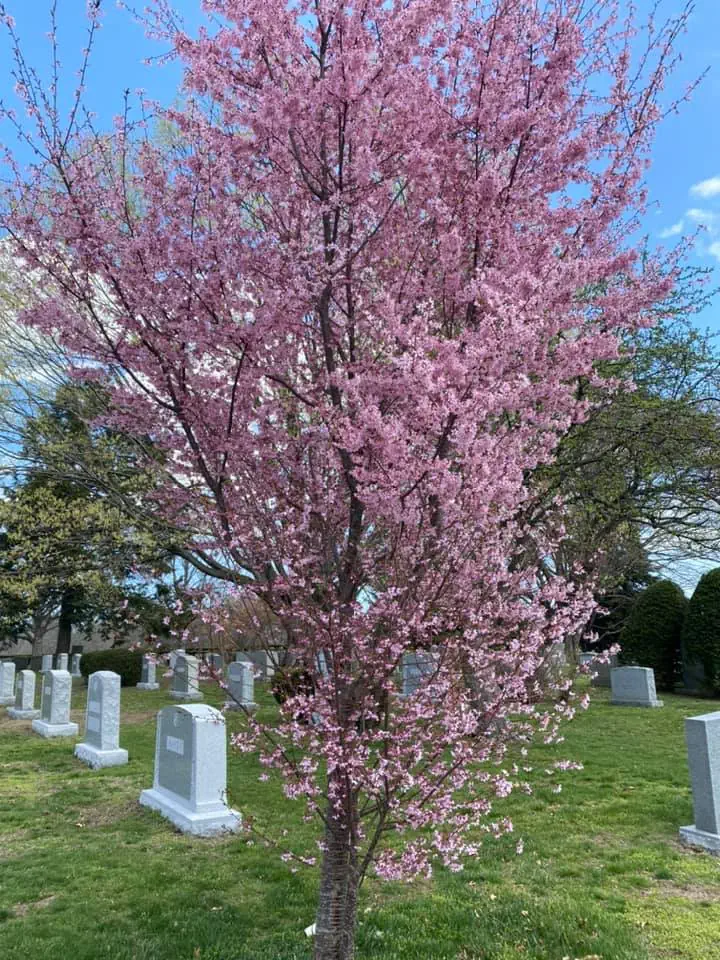
Natural elements contribute to the atmosphere of a cemetery in ways that extend beyond appearance. Trees, gardens, seasonal plantings, and open green spaces provide visual variety while connecting memorial grounds with the changing rhythms of nature.
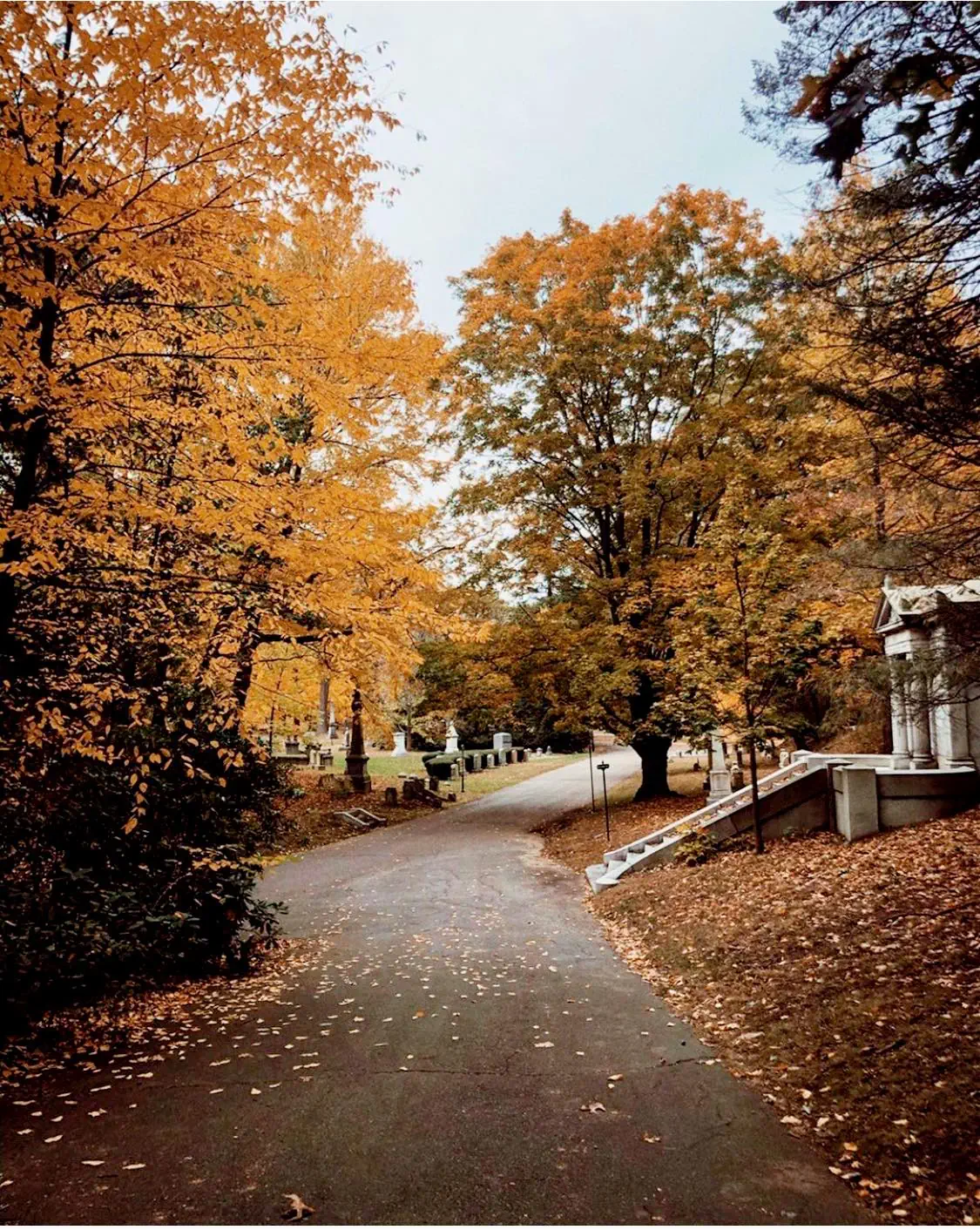
The presence of living landscapes can make each visit feel distinct. Spring blossoms, summer shade, autumn colors, and winter branches create different impressions throughout the year, even when the familiar memorial surroundings remain unchanged.
Trees, Gardens, and Seasonal Changes
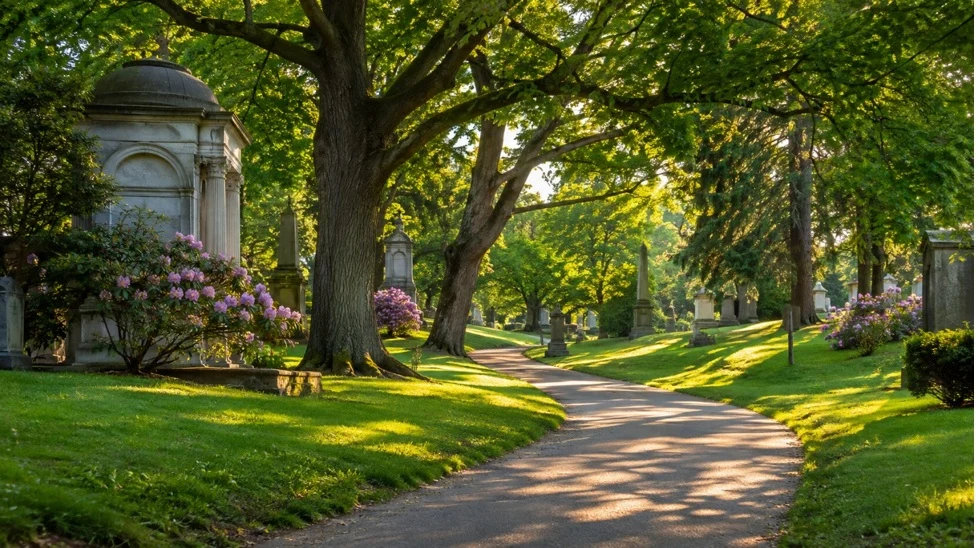
Mature trees can soften the scale of larger landscapes while creating shaded spaces that feel welcoming. Flowering plants introduce color and texture, and carefully maintained lawns help establish visual continuity between different areas.
Seasonal changes also offer a gentle reminder that remembrance is not confined to a single moment. Returning to a familiar place during different seasons can become a personal tradition, connecting memories with the passage of time.
Our perspective on the balance of nature and memory in cemeteries explores how natural surroundings contribute to meaningful memorial experiences.
The Role of Open Space
Open lawns and clear views help prevent a landscape from feeling visually crowded. They allow visitors to appreciate the relationship between memorial features, architecture, and surrounding greenery.
Open space also provides contrast. A broad landscape can make a sheltered garden or a winding pathway feel more intimate, giving visitors different environments to experience within the same grounds.
Pathways That Guide Visitors Through Memorial Landscapes
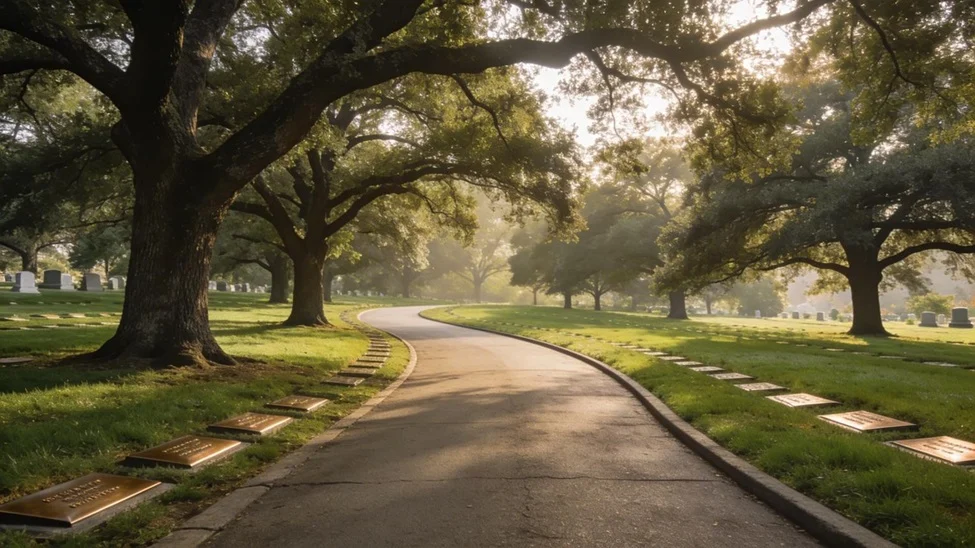
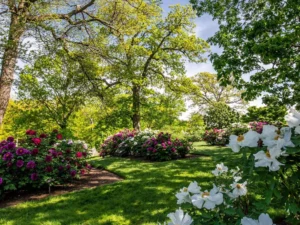
Pathways are among the most practical elements of cemetery design, but they also influence the pace and character of a visit. Their arrangement can help visitors navigate the grounds while creating a sense of continuity between distinct memorial areas.
A straight route may offer clarity and a direct view ahead. A gently curving path, by comparison, can reveal landscape details gradually, encouraging visitors to observe their surroundings as they walk.
What Makes a Cemetery Pathway Feel Welcoming?
A welcoming pathway is easy to recognize, visually connected to its surroundings, and appropriate for the way visitors use the space. Its effectiveness depends on more than appearance.
Several design considerations contribute to the experience:
- Clear circulation: Understandable routes help visitors move between different areas.
- Landscape transitions: Trees, lawns, and plantings provide visual continuity along walkways.
- Comfortable proportions: The relationship between pathway width and nearby features influences how open or enclosed a route feels.
- Visual landmarks: Distinctive landscape or architectural elements can support orientation.
- Maintenance: Attention to pathway conditions helps preserve usability and the appearance of the grounds.
Visitors with mobility concerns should also consider current route conditions and available access information before planning a visit. Historic landscapes may contain varying surfaces, slopes, and pathway configurations.
Memorial Architecture and the Character of a Cemetery
Architecture adds another dimension to the visitor experience. Monuments, mausoleums, chapels, and other historic features can establish visual identity while expressing the traditions and values associated with remembrance.
These structures interact with their surroundings. A memorial framed by trees may feel intimate, while a prominent architectural feature overlooking an open landscape can create a stronger sense of formality.
How Do Memorial Features Influence Reflection?
Memorial features provide physical points of connection with personal and collective history. Their materials, proportions, placement, and decorative details can communicate meaning without requiring elaborate explanations.
Stonework, carved symbols, and architectural forms may reflect particular periods or memorial traditions. Visitors can appreciate these elements as expressions of craftsmanship while considering the individuals and stories they commemorate.
For those exploring lasting memorial choices, our historical areas and burial options provide information about the relationship between established cemetery spaces and available burial arrangements.
Balancing Individual Memorials With the Wider Landscape
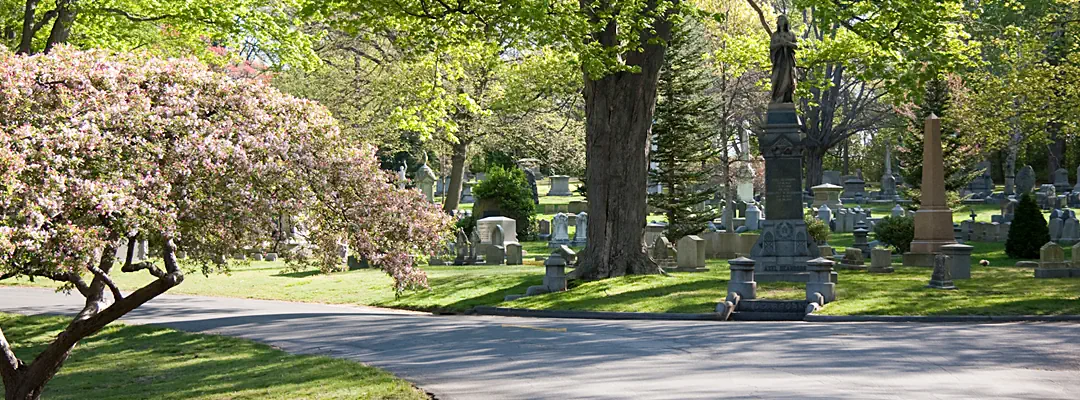
An individual memorial is part of a larger visual setting. Its relationship with nearby monuments, plantings, pathways, and open spaces influences how the surrounding area is experienced.
Thoughtful landscape organization respects the importance of individual remembrance while maintaining a cohesive environment. This balance allows personal memorials to retain their significance without losing their connection to the broader grounds.
Design Elements That Shape a Peaceful Visit
Different cemetery features contribute to quiet experiences in distinct ways. Understanding their roles can help visitors recognize the intentional relationships between landscape design, movement, and remembrance.
| Design element | Contribution to the visitor experience |
|---|---|
| Mature trees | Shade, natural character, seasonal interest |
| Curving pathways | Gradual views and a slower walking rhythm |
| Open lawns | Visual spaciousness and clear sightlines |
| Gardens | Color, texture, and intimate surroundings |
| Memorial architecture | Historical character and focal points |
| Thoughtful maintenance | A cared-for, welcoming environment |
No single feature creates a meaningful visit on its own. The overall experience develops through the interaction of these elements and the personal significance visitors bring to the space.

Finding Personal Meaning in Quiet Cemetery Spaces
A cemetery’s design provides the setting, but each visitor brings a different purpose and perspective. Some arrive to honor a loved one, others to appreciate history or spend time in peaceful surroundings.
There is no single correct way to experience these spaces. A brief visit may be as meaningful as a longer walk, and a familiar pathway may hold more personal significance than an elaborate architectural feature.
Simple Ways to Experience the Landscape Mindfully
Visitors who wish to engage more fully with their surroundings can consider a few gentle practices:
- Choose a comfortable route. Select a pathway that suits the time available and any personal mobility needs.
- Notice natural details. Observe changes in light, trees, plantings, and seasonal colors.
- Allow time for stillness. Pause where permitted and comfortable, without feeling pressured to follow a schedule.
- Respect shared spaces. Be considerate of other visitors and follow cemetery guidance.
- Return when meaningful. A familiar landscape can offer a different experience during another season or occasion.
These practices are invitations rather than expectations. Quiet reflection may involve walking, observing, remembering, or simply spending a few moments in a meaningful place.
Questions About Cemetery Landscapes and Visiting
Do Historic Cemeteries Have Different Design Characteristics?
Historic cemeteries may reflect landscape traditions, architectural styles, and planning approaches from different periods. Some feature winding paths, mature tree collections, prominent monuments, and varied terrain. Their appearance depends on how the grounds were originally developed and maintained over time.
Can Visitors Appreciate Cemetery Landscapes Without Visiting a Specific Memorial?
Yes. Where cemetery rules permit, visitors may appreciate the landscape, architecture, horticulture, and historical character of the grounds without visiting a particular memorial. Respectful behavior remains important because cemeteries are shared spaces of remembrance.
Experience the Thoughtful Beauty of a Memorial Landscape
Cemetery design brings together natural surroundings, architectural character, and carefully organized spaces to support meaningful visits. From tree-lined pathways to distinctive memorial features, each element contributes to an environment where remembrance and quiet observation can coexist. If you are exploring cemeteries Boston, MA and want to better understand how the grounds can be experienced, we invite you to review our cemetery visiting information and call us at (617) 524-0128 for guidance on planning a respectful visit.