Why Some Cemeteries Have Unique Custom Memorials
Every life carries a story worth remembering, and the places chosen to preserve those memories can be just as meaningful. When exploring cemeteries Boston, MA, families may notice that memorials differ in appearance, materials, symbolism, and historical character. Some reflect longstanding traditions, while others incorporate personal details that celebrate an individual’s identity. At Forest Hills Cemetery, we recognize how thoughtfully designed memorial spaces can help preserve family legacies while contributing to the distinctive character of historic cemetery grounds.
What Makes Custom Cemetery Memorials Unique?
Custom cemetery memorials are personalized tributes that incorporate meaningful design elements, inscriptions, materials, or symbols to reflect an individual’s life and legacy.
Unlike standardized memorial designs, customized tributes can express personal preferences, cultural traditions, and family connections. Their individuality may come from subtle details rather than elaborate decoration.
A carefully selected inscription, a symbolic carving, or a particular memorial shape can communicate something meaningful about the person being honored.
Personal Stories Shape Memorial Designs
Memorials become distinctive when their details connect to someone’s experiences, beliefs, or relationships.
A person who appreciated nature might be remembered through botanical imagery. Someone devoted to family traditions may be honored with an inscription reflecting those values.
Meaningful design elements can include:
- Personalized inscriptions that express affection, gratitude, or remembrance.
- Nature-inspired symbols representing renewal, strength, or continuity.
- Traditional motifs reflecting cultural or spiritual beliefs.
- Thoughtful lettering that complements the memorial’s overall appearance.
- Coordinated family designs that visually connect generations.
The most meaningful tribute is not necessarily the most elaborate. A simple memorial with carefully chosen details can communicate a powerful personal story.
How History Influences Memorial Design
Cemetery memorials reflect the artistic preferences, craftsmanship, and cultural traditions of different periods.
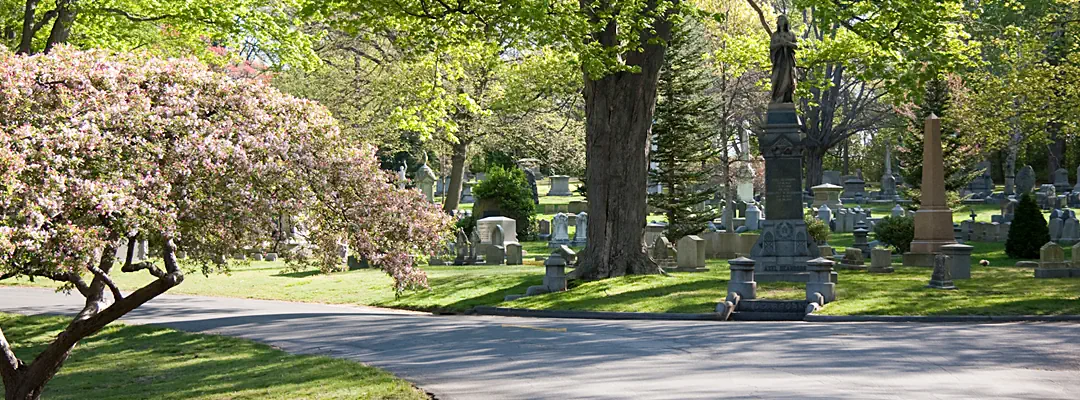
Historic cemetery landscapes can contain a wide range of memorial styles, each contributing to the visual character of the grounds.
Artistic Traditions Across Generations
Earlier memorial designs frequently incorporated carved stone, symbolic ornamentation, and carefully arranged lettering.
Some traditions favored restrained designs, while others embraced decorative forms inspired by architecture, nature, or religious symbolism.
These differences help explain why visitors may encounter a variety of memorial appearances within the same cemetery.
At Forest Hills Cemetery, the historical character of the grounds provides an important context for understanding how memorial traditions contribute to a lasting landscape.
The connection between personal remembrance and design is also explored in our article on creating lasting memories with custom memorials.
Why Do Older Memorials Look Different?
Older memorials may look different because design preferences, carving techniques, materials, and cultural customs have changed over time.
Some historic memorials feature detailed ornamentation that reflects the craftsmanship of their period. Others emphasize simple inscriptions and traditional shapes.
These variations reveal how communities have expressed remembrance across generations.
They also demonstrate why preserving the character of historic cemetery landscapes matters. Each memorial contributes to a broader record of personal and community history.
The Meaning Behind Common Memorial Symbols
Symbolism gives memorial designs an additional layer of meaning.
Certain images have longstanding associations with remembrance, while others carry significance within particular cultures or family traditions.
Their interpretations are not always universal, making personal context important.
| Memorial Symbol | Common Association |
|---|---|
| Tree | Strength, continuity, and family roots |
| Flower | Beauty, remembrance, and renewal |
| Dove | Peace and hope |
| Wreath | Honor and enduring remembrance |
| Open book | Faith, learning, or a life story |
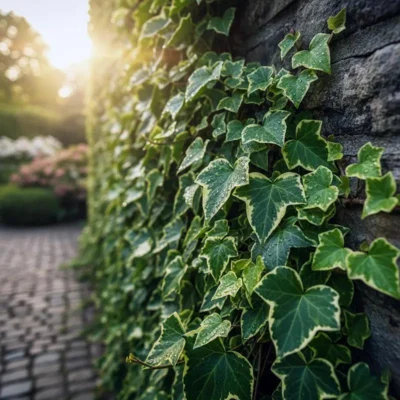
| Ivy | Attachment, continuity, and lasting affection |
A symbol’s meaning may vary depending on historical, religious, and personal traditions.
Choosing Symbols with Personal Significance
A meaningful design begins with understanding what a family wishes to express.
Rather than selecting an image solely because it is familiar, consider whether it reflects the individual’s personality, values, or experiences.
For example, a floral motif might recall a lifelong appreciation for gardening. A simple tree design could represent family connections across generations.
These details help create a tribute that feels personal without requiring excessive decoration.
For some Chinese American families, memorial design may reflect cultural traditions surrounding ancestor remembrance, family identity, and respect for earlier generations. Families with Cantonese-speaking or Mandarin-speaking backgrounds may have individual preferences regarding inscriptions, meaningful symbols, and the arrangement of memorial spaces. Some may also consider feng shui principles when evaluating a cemetery setting. These preferences vary among families and should be discussed alongside the cemetery’s applicable memorial guidelines.
How Cemetery Guidelines Shape Memorial Choices
Not every cemetery permits the same memorial styles, dimensions, materials, or decorative features.
Design guidelines help maintain the appearance of cemetery grounds, support ongoing care, and preserve the character of established memorial areas.
Balancing Personalization with Landscape Harmony
Personal expression and landscape preservation can complement one another.
A memorial should reflect an individual’s story while remaining appropriate for its designated setting.
Before making design decisions, families should confirm:
- Permitted memorial types: Determine which forms are allowed within the selected burial area.
- Size and placement requirements: Review applicable dimensions and installation guidelines.
- Material considerations: Ask which materials and finishes are acceptable.
- Inscription and design rules: Confirm any restrictions affecting lettering, carvings, or ornamentation.
- Approval procedures: Understand what documentation or authorization is required before installation.
These steps can prevent misunderstandings and help ensure that the chosen tribute is suitable for its intended location.
Our information about historical areas and burial options provides a useful starting point for understanding different memorial settings.
Because requirements may vary by location and arrangement, specific design possibilities should always be confirmed with cemetery staff.
Why Families Choose Personalized Memorials
A personalized memorial provides a lasting place where individual identity and shared family history can come together.
Its value extends beyond appearance. Thoughtful details may encourage future generations to ask questions, share stories, and recognize the people who shaped their family history.
Creating a Connection Across Generations
A memorial can serve as a tangible connection between relatives who lived in different periods.
Names and dates establish a historical record, while meaningful inscriptions and symbols add personal context.
A grandchild visiting decades later may discover a family value expressed through a short phrase or recognize a symbol connected to a familiar story.
These details help transform a memorial from a marker of remembrance into a lasting expression of identity.
Can a Simple Memorial Still Feel Personal?
Yes. A simple memorial can feel deeply personal when its design reflects something meaningful about the individual.
An elegant inscription, carefully selected lettering, or understated botanical detail may provide all the personalization a family wants.
There is no single standard for a meaningful tribute. What matters most is whether the design feels appropriate, respectful, and connected to the person’s life.

Practical Considerations Before Selecting a Memorial
Choosing a memorial involves both emotional and practical decisions.
Allowing time to consider these factors can help families make choices that remain meaningful for years to come.
Materials, Maintenance, and Long-Term Appearance
Different materials have different characteristics, including durability, texture, and maintenance needs.
Stone memorials, for example, may change in appearance as they are exposed to weather and environmental conditions.
Families should ask about permitted materials, expected upkeep, and any applicable cemetery maintenance policies before making a selection.
The goal is to choose a memorial that balances personal significance with practical considerations.
Questions Worth Asking Before Finalizing a Design
Before approving a memorial, consider discussing the following:
- Does the design reflect the individual’s personality or values?
- Is the inscription accurate and meaningful?
- Does the proposed memorial meet cemetery requirements?
- Are the materials appropriate for the selected setting?
- What approvals are needed before installation?
- How will the memorial fit within the surrounding landscape?
These conversations help establish clear expectations while keeping the focus on lasting remembrance.
How Unique Memorials Preserve a Cemetery’s Character
Individual memorials contribute to something larger than their immediate surroundings.
Together, they form a landscape of personal histories, artistic traditions, and cultural expression.
A cemetery with varied memorial designs can reveal how remembrance has evolved while maintaining a sense of continuity.
This combination of individuality and shared history is particularly meaningful in historic cemetery environments.
Preserving that character requires thoughtful decisions about new memorials as well as respect for existing features.
When personal expression is balanced with the surrounding landscape, memorial spaces can remain distinctive and dignified for generations.
Preserving Individual Stories Through Thoughtful Memorial Choices
Unique memorials remind us that remembrance is deeply personal. Their inscriptions, artistic details, and meaningful symbols help preserve the stories, traditions, and relationships that shape individual lives. At Forest Hills Cemetery, we appreciate the importance of balancing personal expression with the historical character of our grounds. For families considering cemeteries Boston, MA, we invite you to explore our cemetery history and heritage and call (617) 524-0128 to discuss available burial settings, memorial considerations, and the guidelines that may influence a personalized tribute.