Why People Find Comfort Walking Through Cemeteries
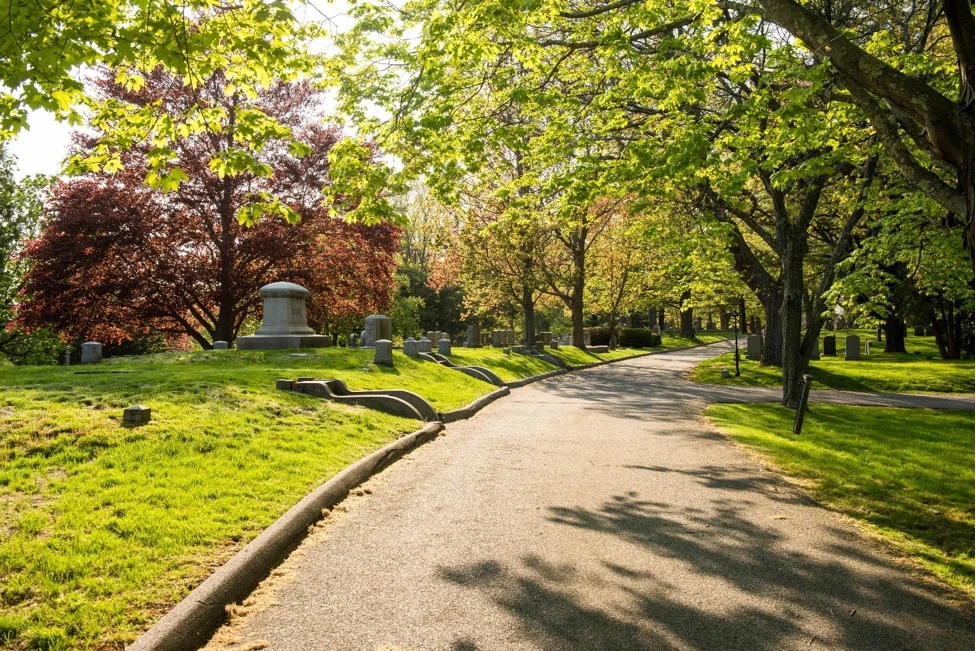
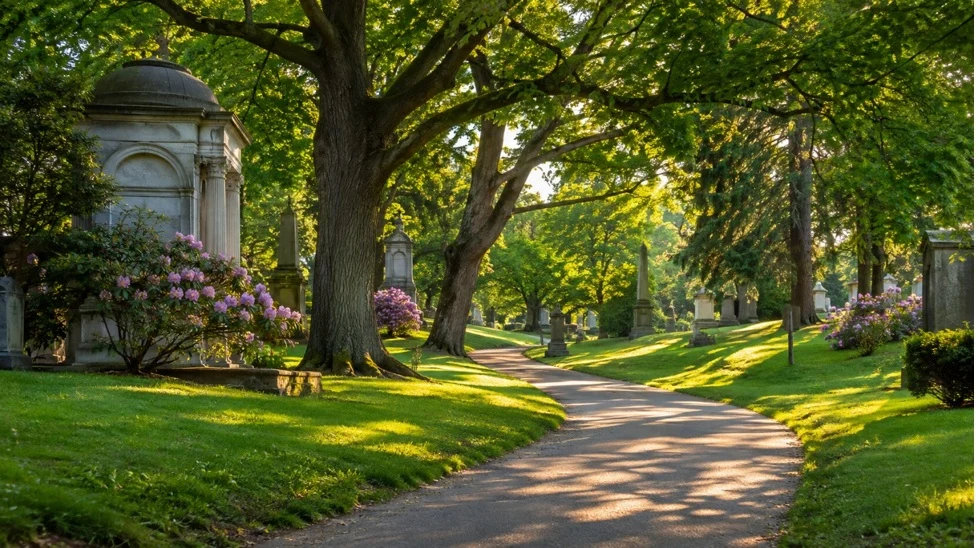
Walking through cemeteries in Boston, MA can offer something increasingly valuable in a busy world: a quiet place to slow down, reflect, and reconnect with meaningful memories. Although cemeteries are associated with remembrance, their peaceful landscapes also invite visitors to appreciate nature, personal history, and moments of stillness. At Forest Hills Cemetery, we understand that each visit carries its own purpose. Some people come to honor someone special, while others find comfort in walking beneath mature trees, observing historic surroundings, or simply enjoying a few uninterrupted moments of reflection.
Why Can Walking Through a Cemetery Feel Comforting?
Walking through a cemetery can feel comforting because it combines gentle movement, peaceful surroundings, and opportunities for personal reflection. For some visitors, these experiences create space to acknowledge emotions without the distractions of everyday responsibilities.
Comfort does not necessarily mean feeling happy or forgetting a difficult experience. It may simply involve feeling more connected to memories, finding a moment of calm, or allowing thoughts to settle naturally.
The Value of Quiet, Unhurried Moments
Daily routines can leave little room for uninterrupted reflection. Conversations, schedules, responsibilities, and digital distractions compete for attention.
A cemetery walk provides an opportunity to move at a personal pace. Visitors can follow a pathway, notice the changing light, or pause near a familiar landscape feature without feeling pressured to accomplish anything.
This freedom can be particularly meaningful during periods of transition or remembrance. Rather than requiring a particular emotional response, the setting allows individuals to experience the moment in their own way.
How Familiar Places Support Remembrance
Returning to a meaningful location can help maintain a sense of connection with personal memories.
A familiar pathway, tree, or garden may bring to mind conversations, family traditions, or shared experiences. These associations can become part of a personal remembrance practice.
Our article about finding peace while visiting loved ones explores how thoughtful visits can provide opportunities for reflection.
Not every visit feels the same. Some may bring reassurance, while others bring sadness or mixed emotions. All of these responses can be part of a meaningful experience.
The Restorative Qualities of Nature and Movement
Natural surroundings can make a cemetery walk feel different from time spent in a crowded or demanding environment.
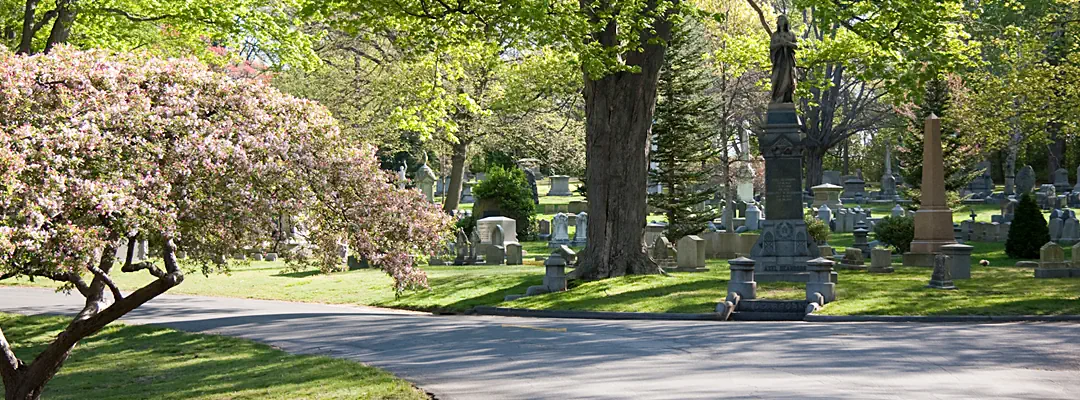
Trees, gardens, seasonal changes, and open spaces offer gentle points of attention. Combined with comfortable movement, these features may help some visitors feel more relaxed and present.
What Makes Natural Surroundings So Meaningful?
Nature offers a changing environment that encourages observation without requiring constant engagement.
During a walk, visitors may notice:
- Mature trees: Their changing appearance provides a visible connection between seasons and generations.
- Garden landscapes: Flowers, greenery, and carefully maintained spaces offer moments of beauty.
- Natural light: Morning sunshine and afternoon shadows create different atmospheres throughout the day.
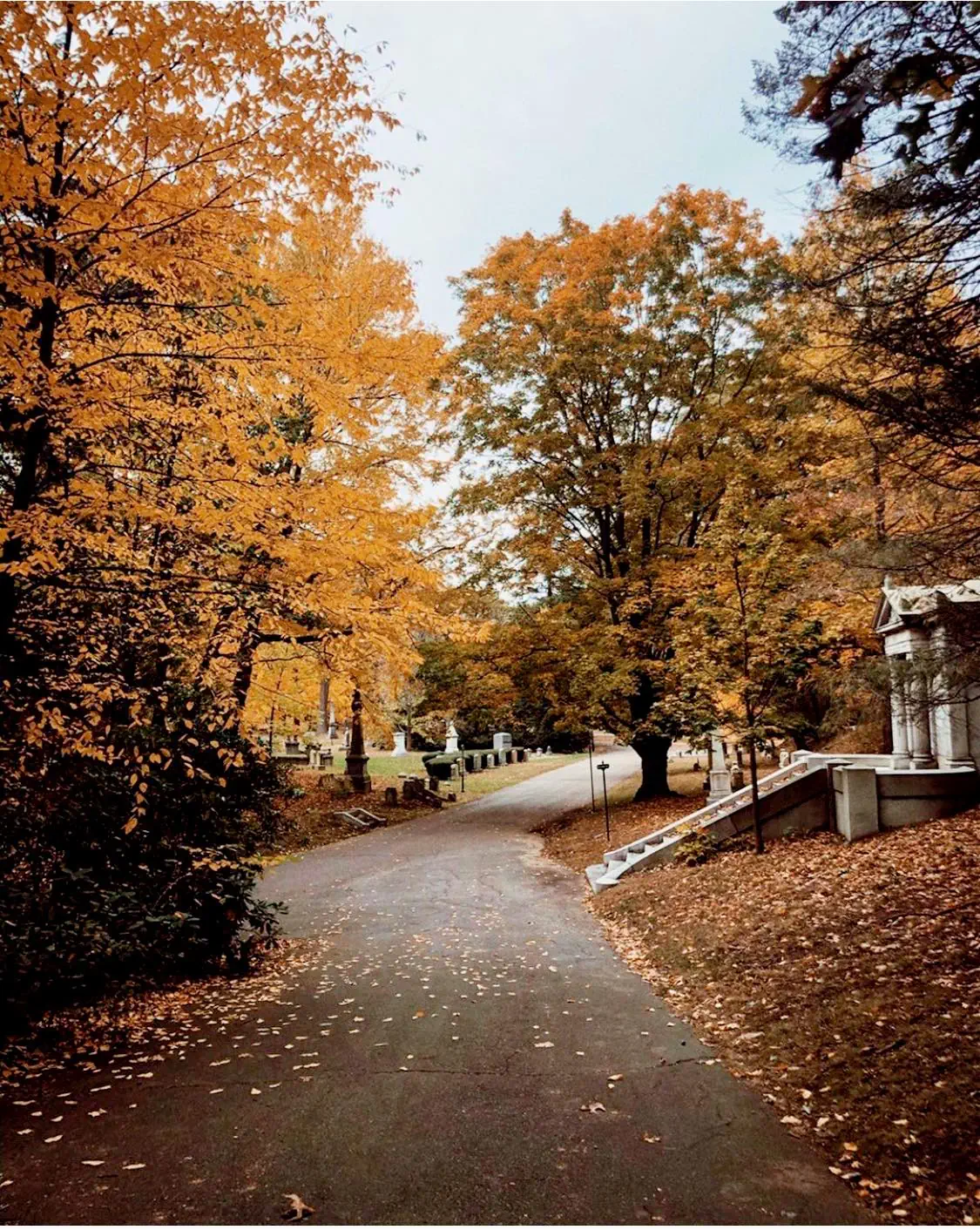
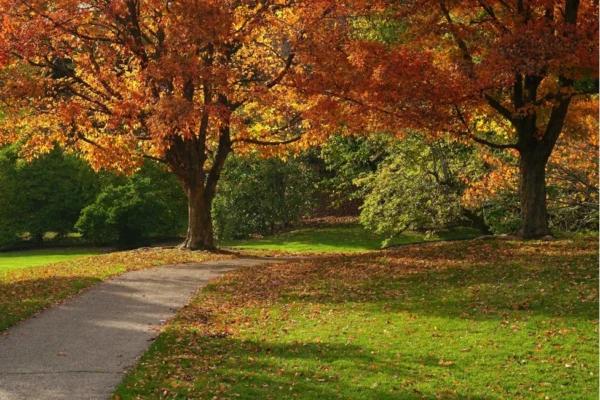
- Seasonal transitions: New growth, autumn colors, and winter stillness invite different forms of reflection.
These details can provide a gentle focus when thoughts feel crowded.
A peaceful landscape does not eliminate grief or guarantee emotional relief. However, spending time outdoors may offer a supportive environment for people who find comfort in natural settings.
Walking as a Simple Reflective Practice
A meaningful cemetery walk does not need to follow a formal routine. Gentle movement and attention to the surroundings may be enough.
For visitors who prefer a little structure, the following approach can help:
- Begin without rushing. Allow time to settle into the surroundings before choosing a pathway.
- Walk at a comfortable pace. Notice the landscape without concentrating on distance or speed.
- Pause when something feels meaningful. A familiar tree, monument, or garden may invite reflection.
- Allow memories to arise naturally. There is no need to force a particular thought or feeling.
- Finish with a moment of appreciation. Consider something meaningful from the experience before returning to daily activities.
The purpose is personal reflection, not physical achievement. Visitors should consider their mobility, the weather, and pathway conditions when planning a walk.
Finding Connection Through Personal Remembrance
Cemetery visits can create a sense of continuity between past experiences and present-day life.
For some individuals, walking through familiar grounds becomes a quiet tradition. Others visit during important anniversaries, seasonal changes, or moments when they want to feel connected to family history.
Remembering Through Everyday Experiences
Remembrance does not always require a formal ceremony or a special occasion.
A person might recall a loved one’s favorite season, remember a conversation, or reflect on a lesson that continues to influence everyday decisions.
These moments can help memories remain part of daily life rather than something reserved exclusively for significant dates.
We recognize that meaningful remembrance takes different forms. Some visitors prefer solitude, while others appreciate sharing stories during a walk with relatives or friends.
Neither approach is inherently better. What matters is having the freedom to remember in a personally meaningful way.
The Role of Permanent Memorial Spaces
A permanent memorial can provide a consistent place for remembrance across generations.
This connection may be particularly important when families live in different areas or when personal traditions evolve over time.
For those considering long-term arrangements, understanding cemetery pre-need planning and remembrance options can support thoughtful conversations about future wishes and meaningful places of remembrance.
Planning ahead may also provide an opportunity to discuss family preferences, values, and the importance of maintaining a meaningful connection to a particular place.
These conversations can take place gradually, without pressure to make immediate decisions.
Different Ways to Experience a Peaceful Cemetery Walk
There is no single correct way to approach a cemetery visit. The most meaningful experience depends on personal preferences, emotional needs, and the purpose of the visit.
Some people enjoy quiet observation, while others appreciate companionship or historical exploration.
Choosing a Visit That Feels Right
| Type of visit | Possible focus |
|---|---|
| Quiet personal walk | Stillness and reflection |
| Family visit | Shared stories and memories |
| Nature-focused walk | Trees, gardens, and seasonal beauty |
| Historical exploration | Architecture and community heritage |
| Anniversary visit | Personal remembrance traditions |
These approaches can overlap. A family visit may include peaceful walking, and a nature-focused outing may inspire memories of earlier generations.
The table is not a set of rules. It simply illustrates how the same setting can support different personal experiences.
How Can Families Make Walks More Meaningful?
Families can make cemetery walks more meaningful by creating simple opportunities to share memories, observe their surroundings, and spend time together without rushing.
For example, relatives might take turns sharing a favorite story or discussing a family tradition. Younger visitors may appreciate learning about the meaning of particular memorials or the history of the landscape.
Participation should remain voluntary. Some individuals may prefer to listen rather than speak, especially when memories feel emotionally significant.
Respectful conversations can help different generations understand how remembrance continues to shape family identity.

Preparing for a Comfortable and Respectful Visit
Before visiting, families may find it helpful to check current cemetery hours, review any posted visitor guidance, and consider the weather and pathway conditions. Choosing a comfortable route and allowing time for rest can make the experience more manageable. Visitors should also respect memorial areas, private gatherings, and any restrictions that apply to particular sections of the grounds.
A Simple Visitor Checklist
Before setting out, consider these essentials:
- Check current visiting hours and any posted visitor guidance.
- Wear comfortable footwear suitable for outdoor pathways.
- Choose clothing appropriate for the season and weather.
- Allow extra time if walking distances or uneven surfaces may be challenging.
- Respect memorial spaces, private gatherings, and cemetery property.
- Bring water when appropriate, particularly during warmer weather.
Visitors should also avoid assuming that every area is suitable for walking. Following designated routes and posted instructions helps protect both the grounds and the experience of others.
Frequently Asked Questions About Cemetery Walks
Different visitors have different expectations about what a cemetery walk should involve. A few practical considerations can help make the experience more comfortable.
Is it appropriate to visit a cemetery simply for a peaceful walk?
Yes, when cemetery policies permit recreational walking and visitors behave respectfully. A quiet walk can be an appropriate way to appreciate the landscape, provided visitors follow posted rules and remain considerate of families attending memorial gatherings.
Can walking through a cemetery help someone experiencing grief?
For some people, a peaceful walk can provide time for reflection and emotional connection. Experiences vary, and cemetery visits are not a substitute for professional grief support when additional help is needed.
What if a cemetery visit brings up difficult emotions?
Difficult emotions can arise during remembrance, even in peaceful surroundings. Visitors may choose to pause, shorten their walk, or seek companionship. There is no requirement to remain longer than feels comfortable.
Let Peaceful Walks Become Meaningful Moments
Walking through cemeteries in Boston, MA can offer a personal opportunity to appreciate nature, honor memories, and find moments of quiet connection. Whether a visit involves peaceful solitude, family conversation, or reflection on the past, its meaning comes from the experience itself. At Forest Hills Cemetery, we value the importance of welcoming, respectful surroundings where remembrance remains part of everyday life. Before planning your walk, review the current cemetery visiting hours and directions for families and call (617) 524-0128 to confirm visitor information and guidance for enjoying the grounds.